
















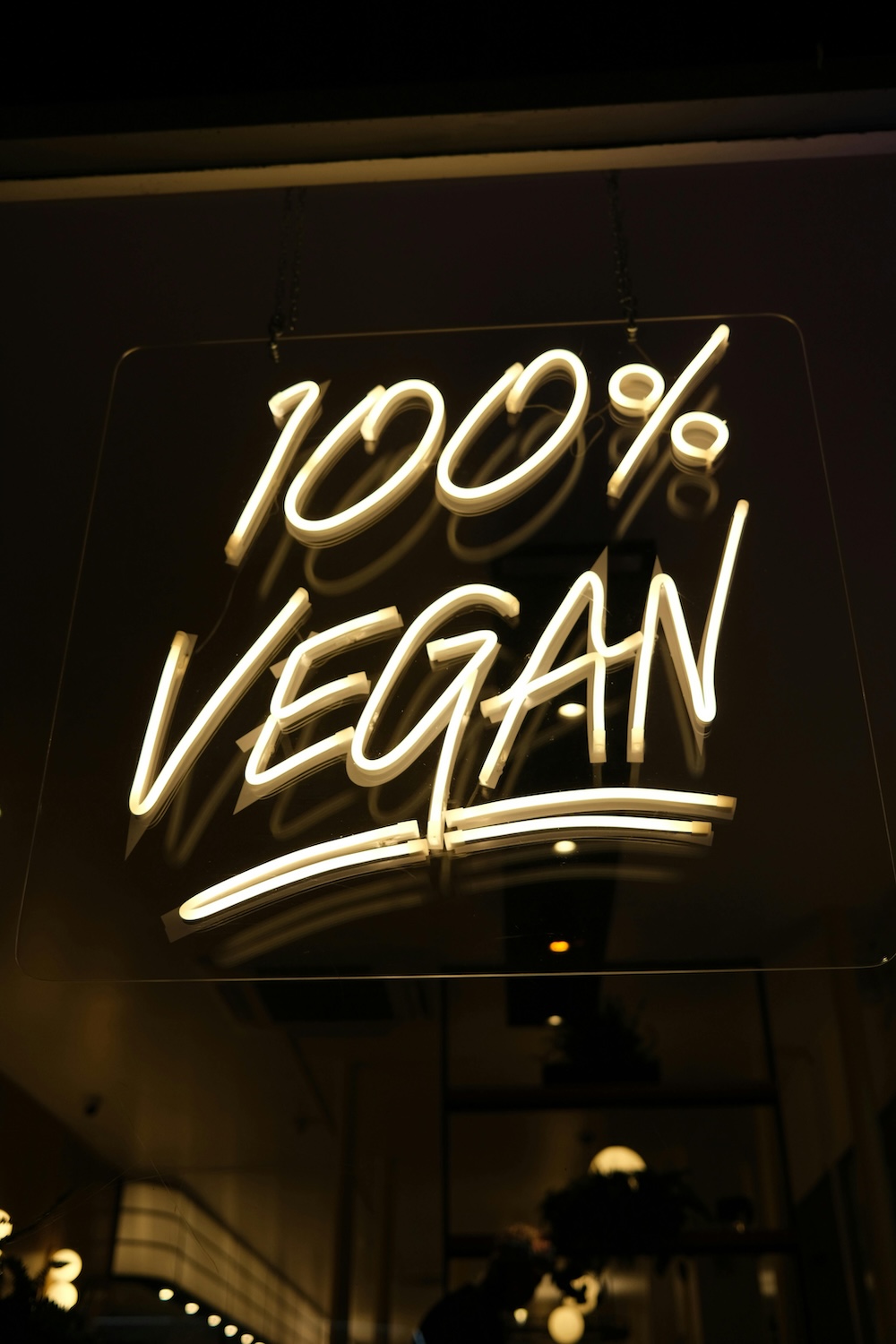
Walk into a vegan fine-dining restaurant, and you feel the shift quickly. The lighting is calmer. The room sounds softer. Tables look composed, almost like each one is waiting for a small performance to begin. Many diners arrive expecting neatly plated vegetables and gentle flavours, maybe a meal that feels “virtuous” rather than exciting.
A great vegan fine-dining experience has a different agenda. It’s built with the same precision as any top tasting menu, with extra attention paid to aroma, texture, temperature, and pacing. When it’s done well, the meal feels complete, indulgent, and memorable, with every sense pulled into the moment.
What makes it so compelling is that plants give chefs a wide palette to work with: bright acids, deep char, clean bitterness, natural sweetness, fragrant herbs, and ferments that can add depth in a single spoonful. Put those tools in the hands of a serious kitchen, and vegan fine dining stops being a niche. It becomes a style of luxury.
Sight: the plate sets the tone before the first bite
Fine dining begins with the eyes. Plant-based cuisine has a natural advantage because colour and contrast come from the ingredients themselves. Bright herbs, charred edges, glossy sauces, toasted seeds, deep reds from chilli, pale creams from nuts and sesame, and jewel-toned pickles can turn a plate into something you pause over.
A tasting menu format heightens that effect. Each course arrives with a distinct mood, and the visual story changes across the meal. One plate can be minimal and architectural, with a single perfect element placed dead centre. Another can be layered and abundant, full of movement and detail. That variety keeps your attention high and creates anticipation from course to course.
There’s also a quiet luxury in restraint. When ingredients are treated carefully, a dish doesn’t need heavy decoration to feel special. It looks confident because it is. You can often tell, just by looking, if a kitchen has control.
Smell: aroma arrives before flavour
Aromas do heavy lifting in vegan fine dining. Without leaning on butter or meat drippings, chefs build fragrance through toasted spices, smoke, citrus peel, infused oils, roasted vegetables, and fermentation. You smell the chilli first. You catch ginger and scallion in the steam rising from the bowl. That moment pulls you in before you even taste.
Spice-driven cuisines often shine in this space because they naturally bring layered aromatics to the table. Modern Sichuan-inspired menus are a strong example, using fragrance and gentle heat to build excitement in waves rather than dumping intensity all at once. If you want a clear reference point for how this can look in a refined setting, you’ll find it in plant-based modern Sichuan cuisine built around structured multi-course dining.
Aroma has another role, too. It sets an expectation. A bowl that smells smoky will taste richer. A plate that smells bright and citrusy will feel cleaner. Great restaurants understand this and use aroma as part of the storytelling.
Touch: texture is where the “wow” lives
Texture is often the difference between a meal you enjoy and a meal you remember. Vegan fine dining works best when it stops relying on soft purees and predictable salads and starts building contrast with intention.
A strong progression might move from crisp pastry to silky sauce, then into something chewy and roasted, followed by a clean crunch that resets the palate. Mushrooms can feel rich and satisfying without pretending to be meat. Dumplings can be tender and bouncy. A toasted crumb can add tension to an otherwise smooth bite. Even temperature adds drama, warm broth against cool herbs, hot crisp elements paired with bright, acidic notes.
Texture also creates pacing inside a bite. Crisp leads, then creamy, then a lingering chew. You stay engaged because the food keeps changing while you eat it, not only between courses.
Sound: the crunch, the clink, the calm
Sound is subtle, yet powerful. A crisp bite echoes in a quiet room. The crack of a delicate shard, the crunch of a toasted topping, the soft clink of chopsticks, and even the gentle landing of a plate at the table become part of the experience.
A well-run dining room manages sound without feeling stiff. It gives you space to pay attention. Suddenly, texture becomes something you can hear, and that makes the food feel fresher and more alive. Even the kitchen contributes, a brief sizzle, a server describing a dish in a low voice, the rhythm of service moving without friction.
Taste: depth comes from layering, not shortcuts
Plant-based fine dining achieves its best taste when the kitchen meticulously builds flavour from the foundation. Depth comes from umami-rich ingredients like mushrooms, fermented sauces, toasted grains, and char. Acidity from pickles and citrous keeps things bright. Spices add warmth and complexity. Herbs and aromatic oils finish the plate with a lingering trail.
The most impressive vegan menus steer clear of monotony. A dish might start sweet with caramelised vegetables, then pick up heat, and finish with a clean acid snap. Another might taste smoky and savoury and then get lifted by something floral or herbal. That constant movement is what keeps a long meal exciting.
This is where well-built spice profiles matter. A controlled tingle can wake up your palate between richer courses. A fragrant chilli oil can add length without heaviness. A fermented note can deepen a sauce and make it feel aged, even when it’s made from plants.
Pacing: a tasting menu changes how you pay attention
Multi-course dining is choreography. The pacing moves from light to bold, then back to clean and refreshing, keeping your palate alert without pushing it too hard. A good kitchen knows when to intensify and when to reset, often with something crisp, bright, or temperature-driven.
This pacing is one reason vegan degustations can feel so satisfying. Without the natural “weight” of meat courses, the meal can still feel luxurious through progression. You finish a course feeling ready for the next rather than needing a break.
Service: luxury is timing, clarity, and ease
Service matters just as much as the food. Clear explanations, calm timing, and a confident team help guests relax into the experience, especially when dishes include unfamiliar ingredients or techniques. Great service reads the table. Some guests want details. Others want quiet. A luxury room knows the difference.
Dietary communication is part of that polish. Fine dining runs smoothly when the kitchen has time to plan. Some venues can accommodate many requests with advance notice, while others set limits for specific formats. Knowing that upfront keeps the evening stress-free and lets the restaurant deliver at its best.
The lasting impression: a complete experience, not a “healthy meal”
Vegan fine dining succeeds when it feels complete. You don’t leave, talking only about how light it felt. You leave remembering the aroma of spice, the crunch of a perfect bite, the calm rhythm of the room, and the way each course flowed into the next.
That’s the full sensory experience. It’s deliberate, immersive, and deeply satisfying when every detail is in place.