












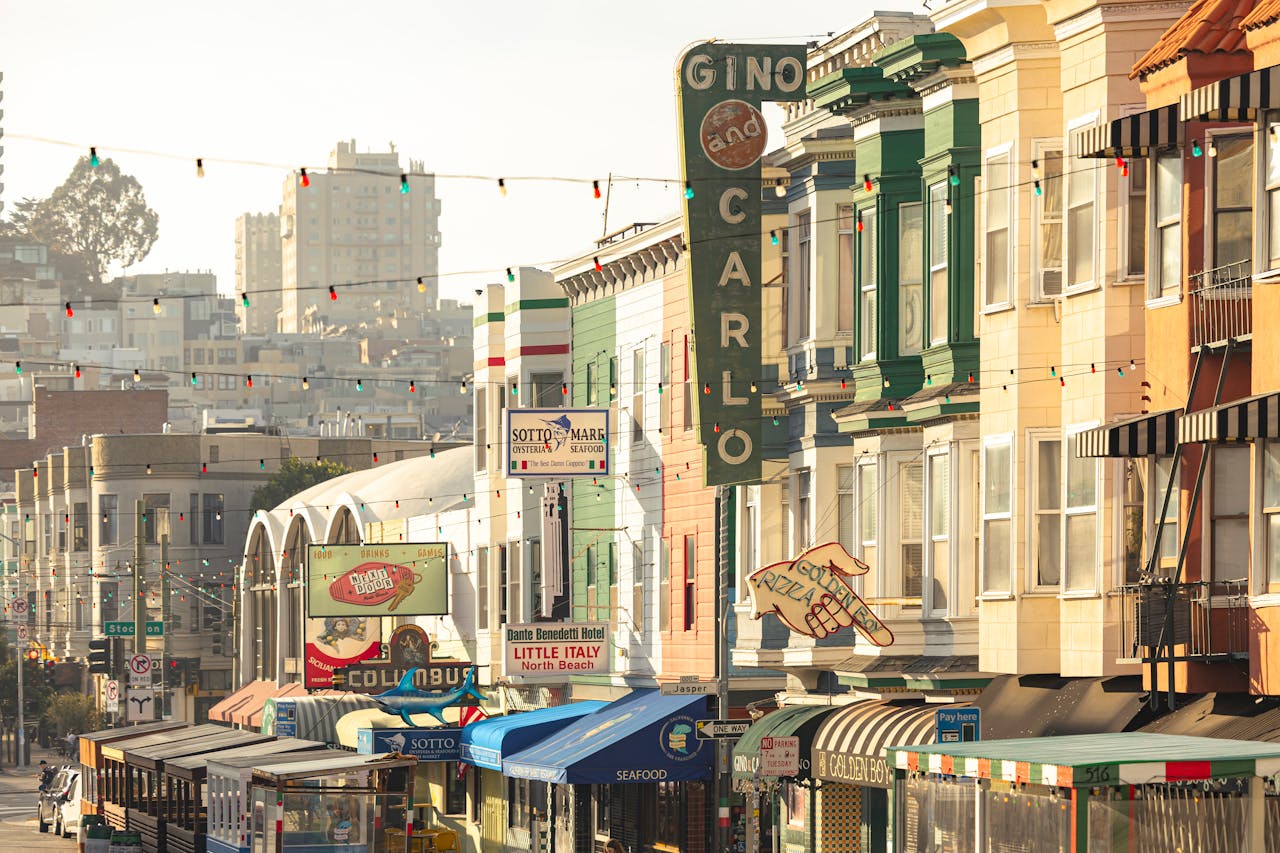
San Francisco is a melting pot with a huge range of cultural influences, including Mexican, Chinese, Californian, Italian, and more. As you might expect, this has had a big impact on the city’s food scene. San Francisco is rightly renowned as a great destination for foodies - you can eat your way around the world here without ever leaving the city. However, given the city’s layout and differences between neighborhoods, it’s worth doing a bit of basic planning before you pack your bags. So, here’s how to get the best out of a foodie trip to San Francisco:
Note that food varies from neighborhood to neighborhood
When trying to find a hotel in San Francisco, it’s worth thinking about what you want to eat most, and the kind of food experiences you’d like to have on your doorstep. San Francisco’s food culture changes a lot between neighborhoods - as does the amount you can expect to spend and the atmosphere you might encounter.
For example, in the vibrant and historic Mission District, you’re likely to encounter plenty of Mexican food, with burritos and taquerias dominating the scene. There are a lot of trendy cafes and bakeries plying their trade during the day, and a lively atmosphere through the evening and into the night.
Chinatown, as you might expect, has a huge range of Asian eating options and markets. You can find unequaled dim sum here, as well as traditional bakeries and a lot of small, quirky family-run restaurants.
North Beach is a great choice for people who like Italian and Italian-American cuisine. There’s also a strong coffee culture here, and an old-school dining atmosphere that can be very relaxing after a long day sampling the city's wares.
At tourist-heavy Fisherman’s Wharf, you’ll find a glut of seafood, including San Francisco’s famous clam chowder in sourdough bowls. Bear in mind that the quality of the seafood you’ll find here can be mixed - look for restaurants that prioritize freshness.
Bear in mind that getting between neighborhoods (and therefore getting between different eating experiences) isn’t always simple in San Francisco. The city is notoriously hilly, so what looks like a short walk can in fact be a tough slog. It’s a good idea to familiarize yourself with the public transport system and/or work out driving routes between neighborhoods before building an eating itinerary.
Try the seafood properly
As you might expect for a coastal city, San Francisco is famed for its seafood. But before you plunge into the first seafood restaurant you see, it’s worth learning about the local seafood styles and culture.
Pacific seafood culture differs from East Coast seafood culture. Dishes tend to be lighter and less creamy than you’d find on the Atlantic coast. To get the best out of the Pacific seafood culture, look for grilled dishes with citrus, fresh herbs, or shellfish with minimal dressing. Cioppino is always a good choice - it was invented here in San Francisco, and it’s still one of the city’s standout seafood dishes.
Dungeness Crab is a major local specialty, and often prized above lobster here by those in the know. If visiting during crab season (roughly November-June), you’re in for a treat. Seek out the freshest, most locally-sourced crab if you can.
You’ll find that oyster bars are popular throughout the city - and you’ll also find that their price ranges vary wildly. It’s not always necessary to pay top dollar to get good oysters, so pick your oyster venue by reading the reviews rather than assuming that higher cost means higher quality. Tried-and-tested local spots are often better than expensive tourist traps.
Take your time in Chinatown
San Francisco Chinatown is one of the oldest and most historically significant Asian districts in the USA. It offers a wide variety of food experiences from across Asia, with the largest concentration being Chinese. You’ll find many regional Chinese cooking styles, along with smaller bakeries and tea shops with unique offerings.
Chinatown is often busy on weekend mornings, so if you want a more casual, less hurried Chinatown experience, weekday afternoons are probably best. Remember, it pays to take some time to explore Chinatown - some of the best food spots are on quiet side streets away from the main tourist trail. It’s also worth noting that some of the smaller venues may be cash only, so come prepared with paper money.
Explore casual as well as fine dining
San Francisco rightly has a great reputation for high-end dining, but the overall Californian dining culture is much more casual than you might find elsewhere in the States. So, to get a full sense of the city’s food culture, save some room in your stomach for casual dining options. You’ll find food trucks, cafes, bakeries, farmers’ markets, and taquerias throughout the city - and they’re a big part of San Francisco culture.
Overall, food culture here has a heavy focus on fresh ingredients and seasonal produce. You’ll find that the dishes here tend to be lighter than typical American fare, with grilled foods and salads winning out over deep-fried and creamy options. There’s also a strong cafe culture, which you should definitely partake in before you leave. Sit out on a sidewalk table with a coffee and a pastry and indulge in some people-watching.
Conclusion
San Francisco is the perfect place for a dedicated foodie to visit - but it does help to prepare a bit in advance. Each San Francisco neighborhood has its own culture, atmosphere, and food styles, and the hilly nature of the city means you can’t always easily walk from district to district. So, it’s a good idea to plan where you're going to stay and how you’re going to get from place to place early. In general, the city rewards careful exploration, so don’t just stick to the tourist-heavy areas. You’ll often find fresher, better-prepared, and more authentic cuisine off the beaten track.