















Cooking can be one of life’s most enjoyable activities, but it often becomes a source of stress when kitchens are cluttered, disorganized, or lacking efficient storage solutions. At the heart of a smooth cooking experience lies one crucial element: pantry design. The pantry is more than just a storage closet; it is the backbone of meal preparation and the foundation of an organized kitchen. A well-designed pantry ensures ingredients are accessible, space is maximized, and routines flow seamlessly. This blog explores how thoughtful pantry design improves kitchen functionality and transforms cooking into a stress-free and even therapeutic routine.
Optimizing Pantry Layout for Efficiency
Creating an efficient pantry layout is important for reducing stress and streamlining meal preparation. Every inch of space should be purposeful, with shelves, drawers, and compartments arranged to allow quick access to frequently used items. One practical solution is to turn a closet into a pantry, turning unused storage into a functional kitchen asset, and in the middle of the process, carefully plan shelving heights and storage zones for optimal reach. Incorporating pull-out drawers, adjustable shelves, and clear containers ensures that ingredients and supplies are visible and easy to grab. A thoughtfully organized layout saves time, minimizes frustration, and transforms everyday cooking into a more enjoyable, efficient experience.
Categorization and Labeling Systems
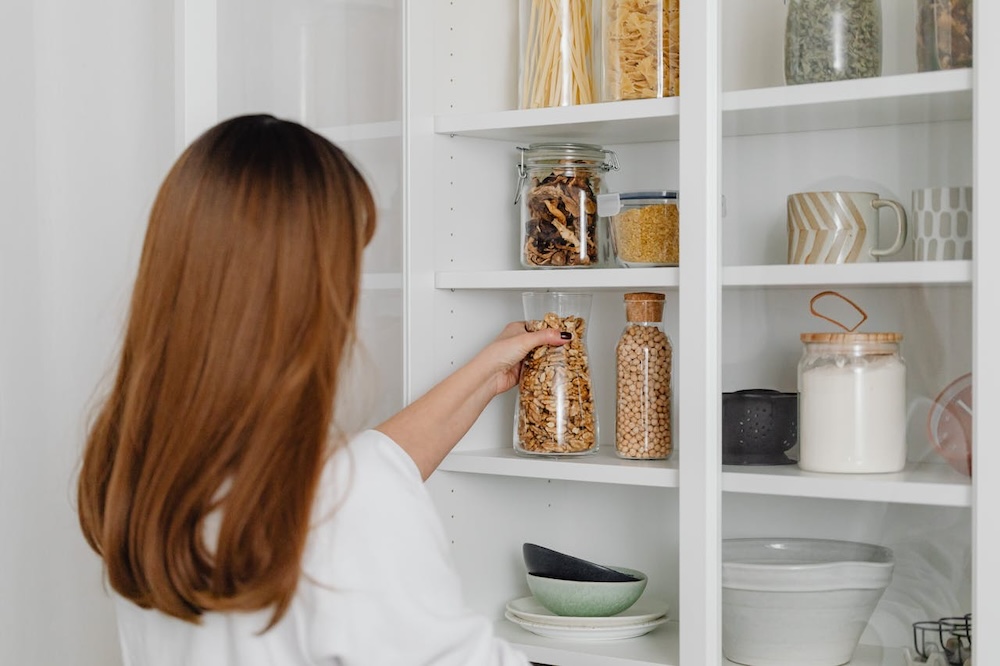
An effective pantry design goes beyond structure. It involves thoughtful organization. Categorizing food items into groups such as grains, snacks, baking supplies, and canned goods creates a clear system that streamlines cooking routines. Adding labels to jars, baskets, and containers prevents confusion and makes it easier for anyone in the household to find what they need. Transparent containers can be particularly helpful, providing visibility and reducing the chances of items going unused or expiring. A pantry that incorporates categorization and labeling ensures that every meal prep session begins with clarity rather than chaos.
Accessibility and Placement Strategy
A critical factor in pantry design is accessibility. Stress often arises in the kitchen when frequently used items are buried behind rarely used products or stored on hard-to-reach shelves. Designing a pantry with placement in mind, keeping staples like oils, grains, or spices at eye level while storing seasonal or bulk items higher up, creates a logical flow. Lazy Susans, sliding trays, and tiered shelving further enhance access to hard-to-reach corners. By aligning the pantry’s design with daily cooking habits, accessibility reduces unnecessary stress and makes every step of the cooking process smoother.
Space Maximization Techniques
Not every home has the luxury of a walk-in pantry, but thoughtful design can make even the smallest space highly functional. Utilizing vertical space with tall shelving, adding over-the-door racks, and employing stackable containers can significantly expand storage capacity while keeping items easily accessible. Pull-out baskets, tiered organizers, and drawer dividers allow smaller pantries to hold more without feeling crowded or chaotic. In larger pantries, creating dedicated zones for meal prep kits, snacks, baking supplies, or bulk items helps maintain order. By carefully planning storage and making use of every available inch, maximizing space ensures that the pantry remains efficient, organized, and stress-free, regardless of its size.
Enhancing Visibility and Lighting
Poor visibility is one of the most overlooked stress-inducing factors in pantry design. When shelves are dark or poorly lit, it is easy to miss items, leading to wasted food and repeated purchases of things you already own. Incorporating good lighting, whether through built-in LED strips, motion-sensor lights, or natural light sources, ensures that everything is visible at a glance. Pairing lighting with transparent or open storage systems helps highlight contents clearly. A pantry that emphasizes visibility reduces mental clutter by giving cooks immediate clarity about what they have, allowing meal planning and preparation to unfold without unnecessary frustration.
Creating a Sense of Calm Through Aesthetics
Beyond function, the aesthetic design of a pantry plays a surprising role in promoting stress-free cooking routines. A clean, visually pleasing pantry with cohesive storage containers, coordinated colors, and uncluttered shelves creates an immediate sense of calm and order. Just as a messy, chaotic space can elevate stress and anxiety, a beautifully designed pantry can inspire creativity, focus, and relaxation in the kitchen. Thoughtful elements such as wooden shelves, woven baskets, matching jars, or decorative labels elevate the space from a simple storage area to a curated, intentional environment. By blending beauty with practicality, homeowners transform cooking into a more enjoyable, mindful, and rewarding daily ritual.
Supporting Healthy Eating Habits
Pantry design influences the kinds of food choices made within a household, which ties directly to stress levels around meal planning and health. When healthy ingredients like whole grains, nuts, and dried fruits are prominently displayed and easy to access, it encourages mindful eating. When processed snacks or sugary foods are tucked away, it helps reduce temptation. Designing a pantry that places nutritious options at the forefront supports healthier routines and reduces the stress of making last-minute, less balanced food choices. This intentional organization improves efficiency and contributes to long-term wellness.
Adapting Pantry Design for Family Needs
Every household has unique routines, and the pantry should reflect that. For families with children, accessible snack zones can make it easier for kids to grab healthy options without disrupting cooking. For those who meal prep frequently, dedicated sections for bulk ingredients and meal kits can streamline weekly routines. In multi-generational households, zones tailored to different dietary needs can prevent confusion. A flexible pantry design that adapts to the household’s lifestyle ensures that everyone benefits from the space, and it minimizes the stress caused by conflicting or chaotic routines.
The pantry may appear to be a behind-the-scenes element of the kitchen, but its design profoundly impacts how stress-free cooking routines can be. From layout and categorization to aesthetics and adaptability, each design choice contributes to creating an environment that supports efficiency, clarity, and calm. A well-designed pantry makes meal preparation easier and enhances well-being by reducing frustration and promoting healthier habits. Whether small or spacious, modern or traditional, a thoughtfully designed pantry transforms cooking into a smoother, more enjoyable experience that feels less like a chore and more like a creative outlet.