













There was a time when coffee meant one thing: a dark roast poured quickly, stirred with sugar, and consumed without ceremony. In many parts of the world, it was fuel, essential, reliable, and unquestioned. Yet over the past two decades, coffee has undergone a remarkable transformation. What once existed as a simple beverage has evolved into a ritual, an art form, a cultural identity, and now, increasingly, a wellness conversation.
From the clink of porcelain cups in European cafés to meticulously crafted pour-overs in minimalist third-wave coffee bars, the story of coffee is one of refinement. Today, however, another chapter is unfolding, one where flavor, function, and personal well-being intersect.
The Ritual of Espresso
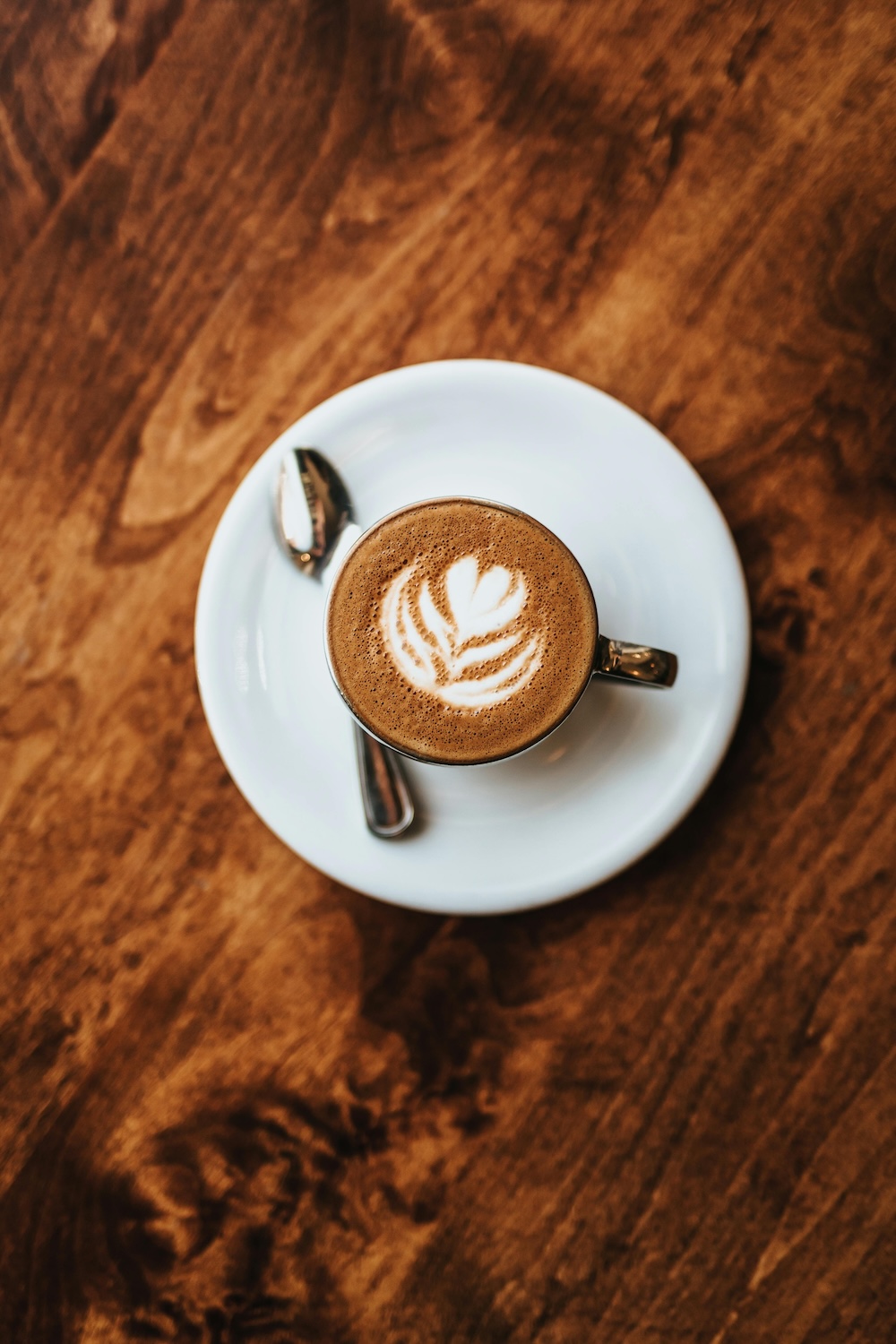
To understand coffee’s evolution, we must begin with espresso. In Italy, the ritual remains almost sacred: stand at the bar, exchange greetings, sip, and leave. The beverage is short, intense, and purposeful. It represents community and pace, not just caffeine.
This reverence for coffee spread globally, inspiring café cultures in Paris, Beirut, Melbourne, and New York. Coffee shops became places for meetings, solitude, creativity, and conversation. Beans were sourced more carefully. Roasts were discussed with the seriousness of wine vintages. The third-wave movement elevated origin stories, processing methods, and flavor notes, citrus brightness, chocolate undertones, floral aromatics.
Coffee was no longer just bitter and bold; it was nuanced.
According to the Specialty Coffee Association, the emphasis on quality, traceability, and craftsmanship has reshaped the industry, encouraging consumers to appreciate complexity in both taste and sourcing.
Yet even as appreciation deepened, so did awareness.
When Taste Meets Tolerance
For many devoted coffee drinkers, the daily cup is non-negotiable. But as interest in nutrition and digestion has grown, some have begun reflecting on how coffee makes them feel, not just how it tastes.
Acidity, jitters, afternoon crashes, and digestive discomfort are concerns occasionally raised in modern food conversations. This doesn’t diminish coffee’s cultural importance. Instead, it opens space for alternatives that aim to preserve ritual while adjusting the experience.
Just as plant-based milks entered cafés without replacing dairy entirely, functional coffee blends are entering the scene without eliminating traditional brews.
The Rise of Functional Brews
In recent years, mushroom-infused coffee blends have quietly moved from niche health stores into mainstream culinary dialogue. Initially met with skepticism, these blends are now discussed alongside matcha lattes and cold brew concentrates.
The appeal lies not in novelty, but in balance. Mushroom coffee typically combines traditional coffee with extracts from functional mushrooms such as lion’s mane or chaga. The result is often described as smoother and less acidic, with an earthier depth that differs subtly from classic roasts.
Curiosity around these blends has led many coffee enthusiasts to compare formulations and brewing experiences. For example, brands like Ryze have sparked conversation around mushroom coffee versus regular coffee, particularly among those interested in gentler caffeine profiles and digestive comfort.
Importantly, the discussion is not about superiority. It is about preference, tolerance, and personal ritual.
A Culinary Shift Toward Intentional Consumption
Food culture today is marked by intention. Diners read ingredient lists, ask about sourcing, and consider how flavors align with lifestyle choices. Coffee, as one of the most consumed beverages globally, naturally enters this dialogue.
The modern café-goer may rotate between options:
This flexibility reflects a broader culinary shift. Rather than pledging loyalty to one format, consumers explore variety based on context.
Just as menus have expanded to include oat milk cappuccinos and single-origin drip options, at-home routines now include experimentation. The kitchen counter has become a micro café, French press beside electric kettle, ceremonial matcha whisk beside espresso machine.
Flavor First, Function Second
For readers of a food publication, flavor remains paramount. A beverage must taste compelling before it earns a place in the ritual. Mushroom blends, when well-formulated, aim to complement rather than overpower. The earthiness can evoke roasted barley or cacao, softening coffee’s sharper edges.
Some purists remain devoted to the clarity of a single-origin Ethiopian roast with floral acidity and berry notes. Others welcome the smoother, less acidic experience offered by functional blends.
What matters most is that choice exists, and that choice is informed.
Café Culture Meets Wellness Culture
Coffee shops have always mirrored societal shifts. During the industrial age, they fueled productivity. During the creative boom, they became hubs for writers and entrepreneurs. Today, as wellness occupies a more visible place in public discourse, cafés are adapting again.
Menus increasingly feature:
This does not signal the end of espresso. It signals expansion.
Culinary culture thrives on evolution. New ingredients enter kitchens, and over time, they either integrate or fade. Mushroom coffee appears to be integrating, not as a replacement, but as a parallel path.
The Ritual Remains
What has not changed, and likely never will, is the emotional resonance of coffee. The morning quiet before the world awakens. The shared cup between friends. The pause between tasks.
Whether brewed traditionally or blended with functional ingredients, coffee remains an anchor.
The evolution of coffee culture is not about abandoning tradition. It is about layering new perspectives onto established rituals. Some will always prefer the concentrated intensity of espresso. Others may gravitate toward gentler formulations on certain days.
Both approaches belong within modern gastronomy.
Future Brewed in Balance
If the past decade taught us anything, it is that food culture refuses to stand still. Ingredients once unfamiliar become staples. Techniques once rare become routine. Consumer awareness deepens.
Coffee’s journey, from utilitarian beverage to artisanal experience to functional exploration, reflects that dynamism.
The next time you step into a café or prepare your morning cup at home, consider the richness of that history. Behind every sip lies centuries of trade, culture, craftsmanship, and innovation.
And whether you reach for a classic espresso or explore a mushroom-infused blend, the ritual endures, evolving, expanding, and continuing to shape how we gather, think, and taste the world around us.