
















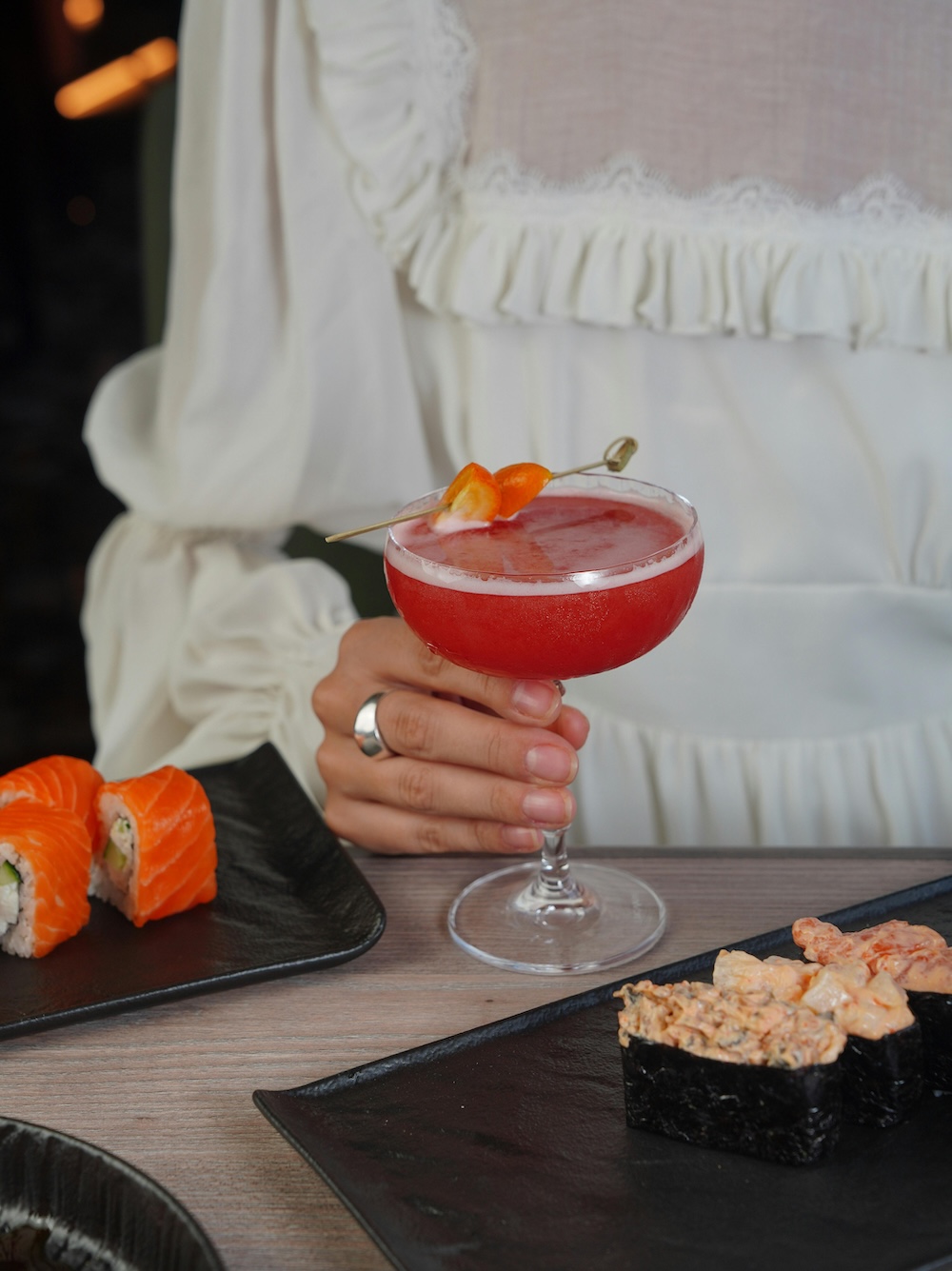
Modern Asian cuisine has evolved far beyond tradition. Today’s dishes blend influences from across cultures—Japanese precision, Thai boldness, Korean fermentation, and Southeast Asian vibrancy—resulting in meals that are layered, complex, and exciting. From ramen with rich tonkotsu broth to Thai basil stir-fries, Korean BBQ, sushi, and modern fusion café dishes, Asian food today is dynamic and diverse.
Yet one element is often overlooked: the drink pairing. The right drink doesn’t just accompany a dish—it enhances flavors, balances intensity, and elevates the entire dining experience.
Why Drink Pairing Matters More in Asian Cuisine
Asian dishes are rarely one-dimensional. A single plate can combine sweet, sour, spicy, salty, and umami elements all at once. For example, laksa blends creamy coconut, spice, and seafood richness, while dishes like kimchi stew bring together sourness, spice, and depth.
Because of this complexity, drink pairing becomes more important. A poor pairing can overpower delicate flavors or make a meal feel heavier than it should. For instance, pairing a sugary drink like bottled iced tea or soda with spicy mala hotpot can intensify the heat and make the meal overwhelming.
On the other hand, the right drink refreshes the palate, balances strong flavors, and allows each component of the dish to stand out more clearly.
Moving Beyond Traditional Pairings
Wine has traditionally been the go-to pairing in many cuisines, but it doesn’t always work well with Asian food. Tannins can clash with spice, and acidity may not complement fermented or umami-rich dishes like soy sauce, miso, or kimchi.
As a result, more diners are turning to lighter, more adaptable options such as tea-based drinks, fruit infusions, and low-sugar beverages. In cities like Singapore, brands such as Partea, KOI Thé, and Gong Cha reflect this shift by offering modern tea drinks that are designed to complement everyday meals rather than overpower them.
Balancing Spice With Refreshing Drinks
Spicy dishes require drinks that cool and refresh the palate rather than compete with the heat. Foods like Thai green curry, Sichuan mala dishes, or Korean spicy noodles benefit from drinks that provide contrast.
Fruit teas with citrus, passionfruit, or lychee are excellent choices because they cut through the spice while adding a light sweetness. Drinks like passionfruit green tea from Gong Cha or honey lemon drinks from LiHO TEA are popular options.
Even a simple iced green tea or lightly sweetened drinks from Partea can help balance the intensity of spicy dishes like mala hotpot or Korean army stew.
Matching Rich Foods With Lighter Beverages
Fried and oily foods can quickly feel heavy, especially when paired with equally rich drinks. Dishes like tempura, Korean fried chicken, Taiwanese popcorn chicken, or Japanese katsu are best enjoyed with lighter beverages that cleanse the palate.
Green tea, jasmine tea, or lightly brewed fruit teas work well because they refresh the mouth between bites. For example, pairing Korean fried chicken with a jasmine green tea from KOI Thé helps cut through the oiliness.
Similarly, a low-sugar fruit tea alongside crispy katsu can make the meal feel less heavy and more balanced.
Complementing Umami With Depth
Umami-rich dishes—such as ramen, miso soup, teriyaki chicken, or soy-glazed meats—require drinks that have some depth but remain smooth and balanced.
Oolong tea, roasted teas, or lightly creamy milk teas are good options because they mirror the richness of the dish without overpowering it. For example, a roasted oolong tea from HeyTeapairs well with tonkotsu ramen, while a classic milk tea from Gong Cha complements teriyaki dishes.
Creating Contrast With Sweet Dishes
When it comes to desserts, contrast is key. Sweet dishes like mango sticky rice, matcha cakes, red bean buns, or bubble waffles are already rich in flavor.
Pairing them with overly sweet drinks can dull the palate. Instead, unsweetened or low-sugar teas provide a refreshing contrast that keeps the flavors balanced.
For example, pairing a matcha dessert with unsweetened green tea or a light floral tea from KOI Thé helps maintain clarity of flavor.
The Rise of Customisable Drink Culture
One of the biggest trends in modern Asian dining is customisation. Unlike traditional pairings, today’s drinks can be tailored to suit individual preferences and specific dishes.
Consumers can adjust sugar levels, ice levels, tea bases, and toppings to create the perfect match for their meal. For example, a heavy dish like curry katsu may pair best with a 25% sugar fruit tea, while a lighter dish like sushi may go well with a mildly sweet floral tea.
Brands like Partea, LiHO TEA, and KOI Thé highlight this trend by offering flexible drink options that adapt to different meals, making it easier for diners to create balanced pairings.
Pairing Is About Balance, Not Rules
There are no strict rules when it comes to pairing drinks with modern Asian cuisine. Instead, it’s about understanding balance—when to contrast flavors, when to complement them, and when to simply refresh the palate.
Whether you’re enjoying street food like satay and fried noodles or dining in a modern fusion restaurant, the right drink can transform the entire experience.
Final Thoughts
Modern Asian cuisine is vibrant, diverse, and constantly evolving. The way we pair drinks should evolve alongside it.
The next time you sit down for a meal, think beyond just the food. Consider how your drink interacts with each bite. With the right pairing, even a simple dish can become a more enjoyable and memorable experience.