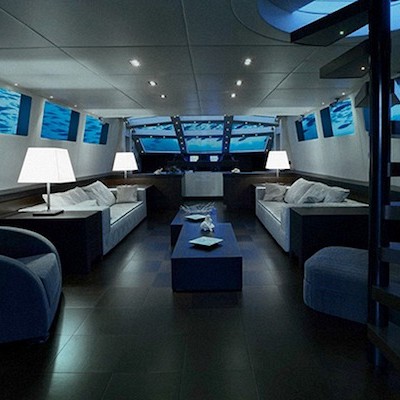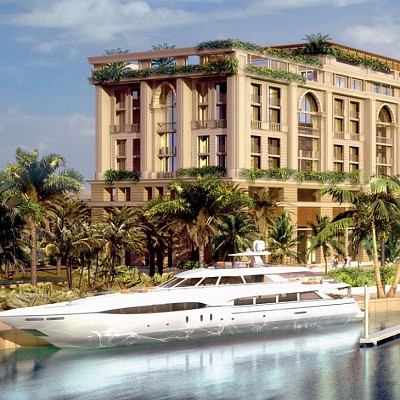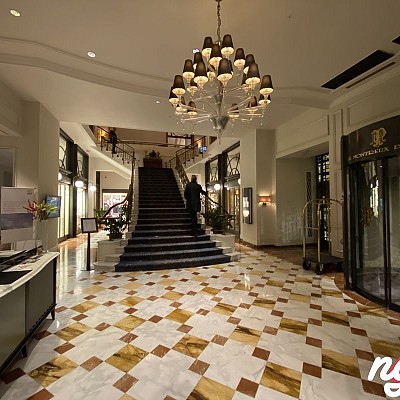

















In recent years, the beauty and wellness industry has undergone a remarkable transformation. No longer limited to simple service-oriented environments, modern salons, spas, and aesthetic clinics are now immersive spaces where design, comfort, and experience come together. At the heart of this shift lies a powerful influence: architecture.
Today’s beauty spaces are being crafted with the same level of attention and creativity as luxury homes, boutique hotels, and high-end retail stores. This evolution reflects a broader trend highlighted across architecture news, where functionality meets artistry to create environments that elevate both brand identity and customer experience.
The Changing Face of Beauty Spaces
Traditionally, salons and beauty centers were designed with practicality in mind—basic layouts, functional furniture, and minimal attention to ambiance. However, as customer expectations have grown, so has the need for more engaging and visually appealing environments.
Modern consumers are not just looking for services; they are seeking experiences. From the moment they step into a salon, they expect a sense of comfort, luxury, and escape. This shift has pushed business owners to invest in architectural design that reflects sophistication and innovation.
As a result, beauty spaces are now carefully curated environments where lighting, materials, layout, and even scent play a role in shaping the overall experience.
Architecture as a Brand Statement
In the competitive beauty industry, first impressions matter. Architecture has become a powerful tool for branding, helping businesses communicate their identity before a single service is delivered.
A minimalist salon with clean lines and neutral tones conveys elegance and simplicity, while a bold, vibrant space may reflect creativity and trend-forward thinking. The design choices made in a beauty space can influence how clients perceive the brand and the quality of its services.
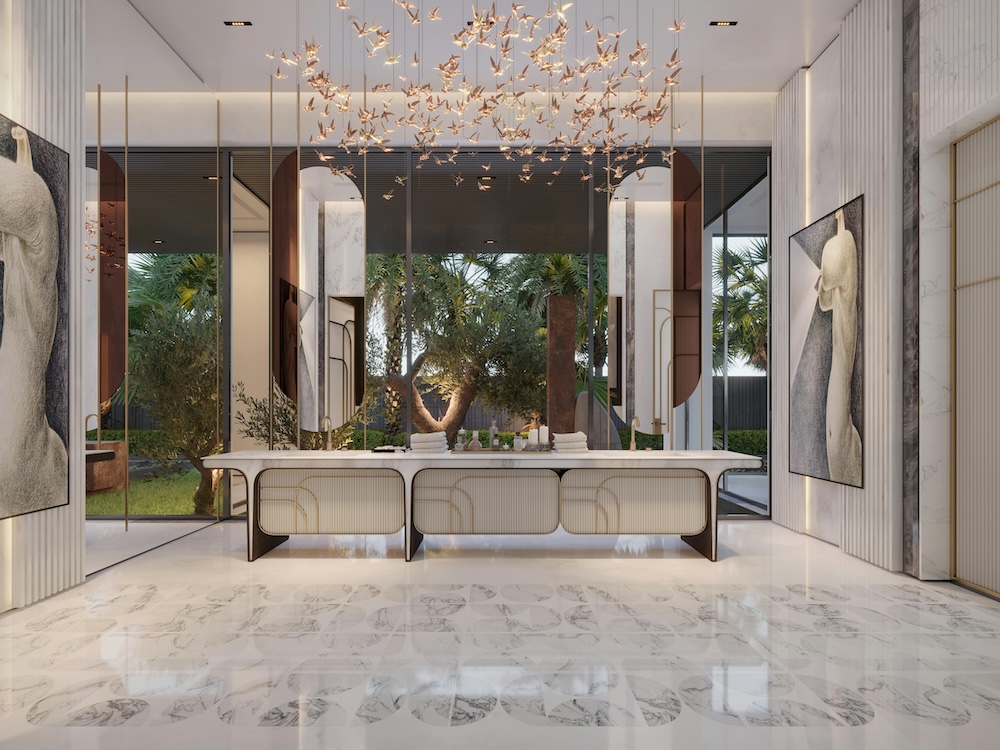
Architectural elements such as high ceilings, open layouts, and statement features like sculptural lighting or textured walls create a sense of luxury that enhances the overall appeal of the space.
The Role of Materials and Textures
One of the defining features of architecturally inspired beauty spaces is the use of high-quality materials. Designers are increasingly incorporating natural and premium materials such as marble, wood, glass, and metal to create a refined and timeless aesthetic.
Textures also play a crucial role in adding depth and character to interiors. Soft fabrics, polished surfaces, and organic finishes work together to create a balanced environment that feels both luxurious and welcoming.
Sustainability is another important consideration. Many beauty spaces are now opting for eco-friendly materials and energy-efficient designs, aligning with the growing demand for environmentally conscious practices.
Lighting: The Key to Atmosphere
Lighting is one of the most critical elements in beauty space design. It not only enhances the visual appeal of the interior but also directly impacts the functionality of the space.
Natural light is highly valued, as it creates a bright and inviting atmosphere while improving the accuracy of beauty treatments. In addition, layered lighting—combining ambient, task, and accent lighting—helps create different moods throughout the space.
For example, soft, warm lighting in treatment rooms can promote relaxation, while brighter, focused lighting in styling areas ensures precision and clarity.
Creating a Sensory Experience
Architecturally designed beauty spaces go beyond visual appeal—they engage all the senses. Sound, scent, and touch are carefully considered to create a holistic experience.
By addressing these sensory elements, designers can create spaces that feel immersive and emotionally engaging.
Space Planning and Functionality
While aesthetics are important, functionality remains a key priority in beauty space design. Efficient layouts ensure that staff can work smoothly while maintaining a comfortable flow for clients.
Key considerations include:
Thoughtful space planning not only improves operational efficiency but also enhances the overall client experience.
The Influence of Hospitality Design
One of the most notable trends in beauty architecture is the influence of hospitality design. Many modern salons and spas are inspired by luxury hotels, offering amenities such as lounges, refreshment areas, and relaxation zones.
This approach transforms beauty visits into indulgent experiences, encouraging clients to spend more time in the space and return more frequently. The integration of comfort and luxury helps build stronger emotional connections between clients and brands.
Technology and Innovation
Technology is playing an increasingly important role in shaping modern beauty spaces. From smart lighting systems to advanced equipment, innovation is enhancing both design and functionality.
Digital booking systems, interactive displays, and automated climate control are just a few examples of how technology is being integrated into architectural design. These features not only improve efficiency but also contribute to a seamless and modern experience.
The Future of Architecturally Inspired Beauty Spaces
As the beauty industry continues to evolve, the importance of architecture will only grow. Future trends are likely to focus on personalization, sustainability, and advanced technology.
Designers will continue to explore new materials, innovative layouts, and immersive experiences that push the boundaries of traditional beauty spaces. The goal will be to create environments that are not only visually stunning but also adaptable to changing needs.
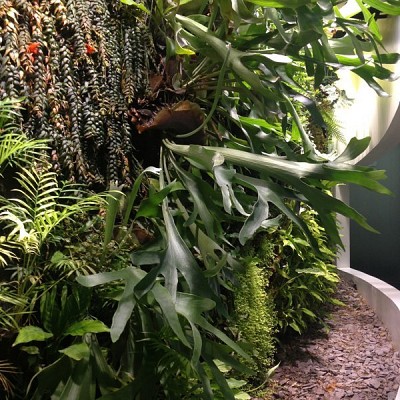
In addition, the integration of wellness concepts—such as biophilic design, which incorporates natural elements into interiors—will further enhance the connection between beauty, health, and environment.
Conclusion
The rise of architecturally inspired beauty spaces marks a significant shift in how the industry approaches design. By combining aesthetics, functionality, and sensory experiences, these spaces are redefining what it means to visit a salon or spa.
Architecture is no longer just a backdrop—it is a central element that shapes the entire customer journey. As businesses continue to invest in thoughtful design, beauty spaces will become more than just places for services; they will be destinations that offer comfort, inspiration, and a touch of luxury.
In this new era, where design and experience go hand in hand, architecture will remain a driving force behind the evolution of the beauty and wellness industry.