

















Light vs Medium Roast Coffee: Which Roast Belongs in Your Morning Cup?
Light vs medium roast coffee represents one of the most fascinating debates in the world of specialty coffee, and it is one that cuts to the heart of what coffee actually tastes like when it is given the chance to express itself fully. For the drinker who has only ever known dark roast as their standard, the first encounter with a quality light roast coffee can be genuinely revelatory, a cup that tastes more like fruit and flowers than the roasted, earthy familiarity of darker beans. For the person who has been drinking light roast and craves a bit more body and sweetness without crossing into the boldness of dark roast territory, a well-crafted medium roast coffee can feel like the perfect answer. Understanding where these two roast levels actually differ, and what drives those differences, makes finding your ideal cup significantly easier.
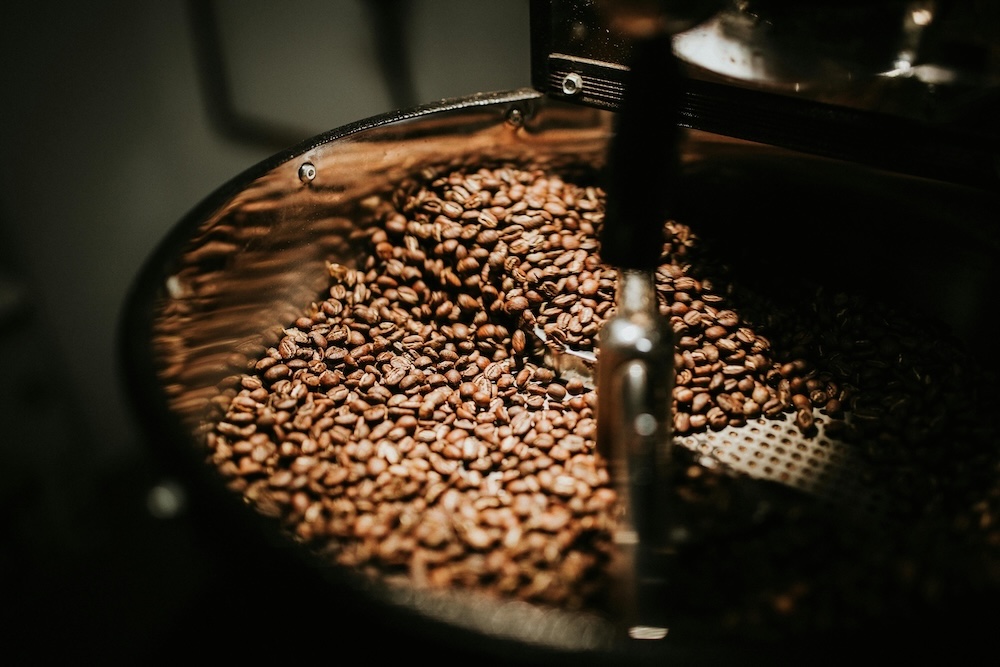
Both light roast and medium roast coffee begin as the same green bean, packed with the flavor potential of its origin. Everything that distinguishes one roast level from the other is a consequence of what happens in the roasting drum: the amount of heat applied, how long the beans are exposed to it, and precisely when the roaster decides to stop the process. Those decisions transform not just the color and surface texture of the bean but its entire chemical profile, including the acids that create brightness, the sugars that caramelize into sweetness, the oils that develop body, and the compounds that carry the aromatic qualities we experience as flavor.
How Roasting Temperature Defines the Light vs Medium Divide
Light roast coffee is produced when green beans are brought to an internal temperature of roughly 350 to 400 degrees Fahrenheit, with roasting stopped shortly after the first crack. This first crack, the audible pop that signals the bean has expanded from the buildup of steam and carbon dioxide inside, is a landmark in the roasting process. Light roast beans are pulled from the drum right around this point, preserving the maximum amount of the bean's original character. The beans emerge with a light brown color, a dry surface free of any visible oil, and a density that is noticeably greater than that of more heavily roasted beans.
Medium roast coffee takes the beans a step further, pushing to internal temperatures between 410 and 430 degrees Fahrenheit, typically moving beyond the first crack into what roasters call the development phase, before stopping well before the second crack that would push the bean into dark roast territory. At this stage, the bean has continued to transform. More of its sugars have begun to caramelize, adding sweetness and depth. Some of the more volatile aromatic compounds that create the brightest, most delicate flavor notes in a light roast have evaporated or changed, shifting the overall profile from something lively and nuanced toward something warmer, rounder, and more approachable.
Flavor, Acidity, and Aroma: Light Roast vs Medium Roast
The flavor difference between light roast coffee and medium roast coffee is one of the most significant and rewarding contrasts in the entire coffee spectrum, and it is directly tied to how much of the bean's origin character survives the roasting process. Light roast coffee is, more than any other roast level, a direct expression of terroir. The growing region, the altitude at which the beans were cultivated, the specific variety of Arabica plant, and the processing method used after harvest all leave distinct imprints on the bean's flavor compounds, and the minimal heat of light roasting preserves those imprints more completely than any other approach.
This is why a high-quality light roast coffee from Colombia might carry a bright citrus acidity with floral top notes, while a light roast sourced from Sumatra might express an earthy, herbal complexity that feels entirely different. Both of those personality traits come not from roasting decisions but from the farms and the landscapes where the beans were grown. Light roast coffee is the roast level that most transparently communicates what a specific origin actually tastes like, and for coffee lovers who find genuine joy in exploring that diversity of flavor, light roast is the most direct path to that experience.
Medium roast coffee tells a different story. It is still capable of reflecting the original character, and a thoughtfully roasted medium roast from a quality bean source will carry recognizable notes tied to where it was grown. But the extended heat has also brought its own contributions to the cup. The caramelization of sugars adds warmth and sweetness that is not as prominent in a light roast. The Maillard reactions that develop during roasting have created flavor compounds that register as toasted nuts, mild chocolate, or baking spice, qualities that come from the roast process itself rather than the farm. A medium roast coffee bean from Colombia will taste quite different from a light roast of the same bean, not because it is a lesser expression but because it is a different and equally valid one.
Acidity and Body: Where Light and Medium Roast Coffee Differ Most
The contrast in acidity between light roast coffee and medium roast coffee is one of the most immediate and tangible differences a drinker will notice when moving between the two. Light roast beans retain the highest concentration of organic acids of any roast level, and those acids express themselves in the cup as a bright, lively quality that specialty coffee enthusiasts often describe as brightness or brilliance. For drinkers who enjoy a cup that feels refreshing and vibrant, with a clean, crisp finish that lingers without heaviness, that acidity is a feature rather than a flaw.
For others, particularly those who find highly acidic coffee uncomfortable to drink in larger quantities or whose stomachs are sensitive to bright acids, that same quality of light roast coffee can be challenging. This is where medium roast coffee often becomes the preferred solution. The additional roasting time breaks down a portion of the organic acids in the bean, smoothing the cup's acidity into something that still has presence and life but that feels gentler, more rounded, and easier to drink throughout the day. The acidity in medium roast coffee contributes to complexity without dominating the experience the way it can in a light roast, making medium roast beans a naturally approachable choice for a wider range of palates.
Body, the sense of weight and texture in the mouth, follows a similar progression from light to medium roast. Light roast coffee tends toward a lighter, more delicate body that some drinkers describe as tea-like in its clean, transparent mouthfeel. Medium roast coffee has developed more of the oils and compounds that create a fuller, rounder body, adding a sense of substance to the cup that feels more substantial without yet reaching the heavy, coating richness of a dark roast.
The Caffeine Reality in Light Roast vs Medium Roast Coffee
The caffeine dimension of the light vs medium roast coffee conversation surprises most people when they encounter the facts. It is widely assumed that light roast coffee is the gentler, weaker option and that moving to a darker roast increases potency. The reality is more nuanced and actually runs slightly counter to that assumption. Caffeine is a remarkably heat-stable compound, and the roasting process does not dramatically alter how much of it is present in the bean. However, because lighter roasting preserves more of the bean's mass and density, light roast beans are denser and heavier than medium or dark roast beans of the same size.
When coffee is measured by volume, as most home brewers do when scooping grounds, a given scoop of light roast coffee will contain more physical coffee by weight than the same scoop of medium roast, and therefore marginally more caffeine. When measured by weight, a more precise method favored by specialty coffee enthusiasts, the caffeine difference between light roast and medium roast coffee is negligible to the point of being functionally irrelevant. The bottom line is that if you are choosing between light versus medium roast based on which will give you a more powerful morning wake-up call, the difference is so small that flavor preference is the far more meaningful guide.
Brewing Methods That Shine for Each Roast Level
Light roast coffee reaches its potential most fully with brewing methods that highlight delicacy and precision rather than immersion and intensity. Pour-over brewing, which passes hot water steadily through the grounds and extracts with a controlled, clean flow, is widely regarded as the ideal method for showcasing the nuanced brightness and origin character of light roast coffee. Aeropress brewing, which allows for variable pressure and steeping time, is another excellent match for light roast beans, giving the brewer creative control over how much of the delicate acidity and floral complexity comes through in the final cup.
Medium roast coffee earns its reputation as the most versatile roast level precisely because it performs well across virtually every common brewing method. Drip coffee makers extract a satisfying, well-balanced cup from medium roast beans with minimal fuss. French press brings out the roast's natural warmth and modest body in a rich, full-immersion brew. Medium roast coffee also works genuinely well for espresso, producing shots with enough body to stand on their own while also offering enough complexity to reward the drinker who sips it without milk. For anyone new to specialty coffee or for households where different members prefer different brewing approaches, medium roast coffee is the natural common ground.
Choosing Between Light and Medium Roast for Your Everyday Cup
Ultimately, the choice between light roast coffee and medium roast coffee comes down to what kind of coffee experience you are seeking in the moments you most look forward to. Light roast is the choice for the curious and the adventurous, for the drinker who wants to taste where their coffee comes from and who finds genuine pleasure in the complexity of a high-quality, origin-forward cup. Medium roast is the choice for the person who wants warmth, balance, and a cup that is simultaneously approachable and flavorful, one that tastes undeniably like excellent coffee without demanding the same level of attention that a light roast rewards. Both are worthy. Both are capable of producing something extraordinary when the beans are exceptional, and the roasting is done with care.