

















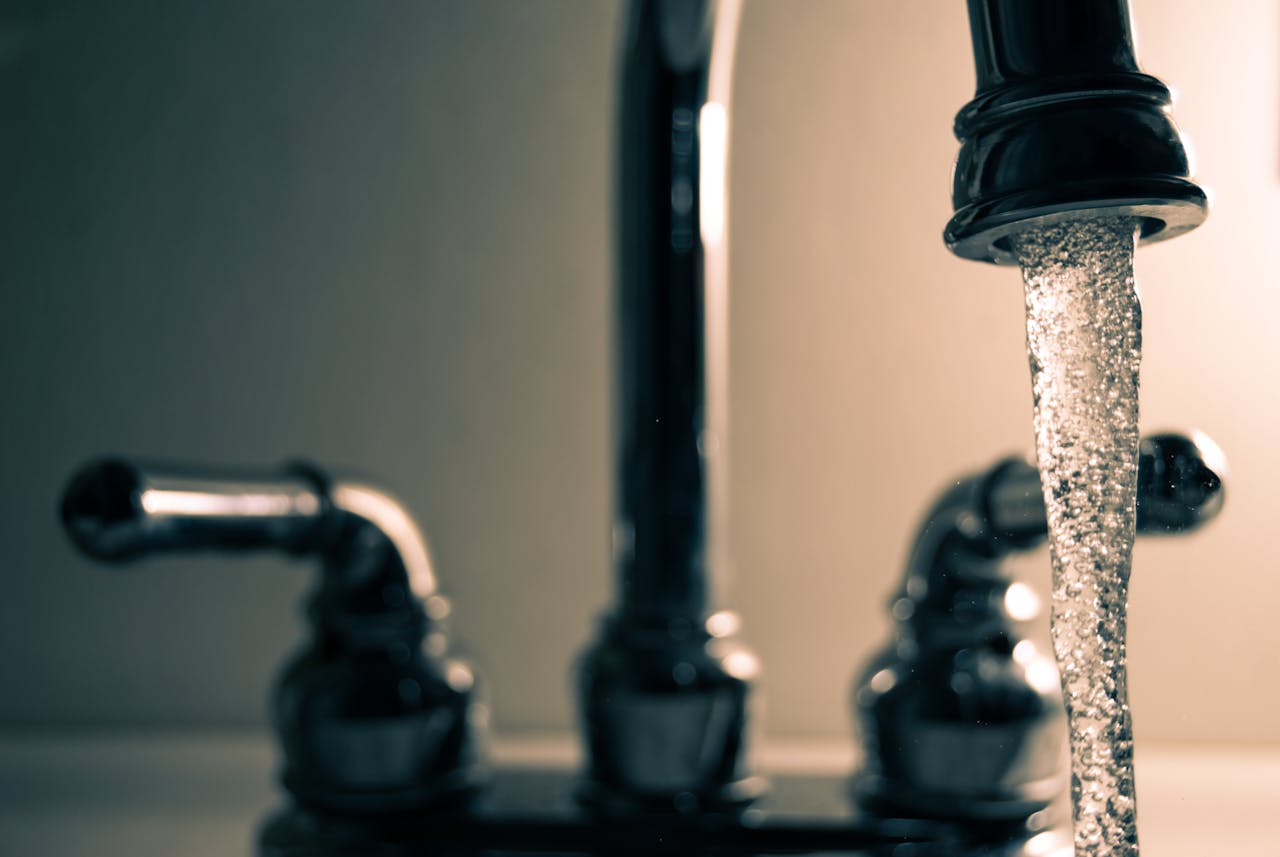
Water damage in the kitchen is every homeowner’s nightmare. One small leak from a dishwasher hose, refrigerator line, or sink pipe can quickly spiral into warped cabinets, ruined flooring, or even mold growth. The kitchen is the heart of the home, but it’s also the room most vulnerable to hidden water problems. Unlike a bedroom or living room, kitchens rely heavily on plumbing and appliances that use water daily — making prevention not just smart, but essential.
In this guide, we’ll dive deep into everything you need to know about preventing water damage in your kitchen. From common culprits to seasonal maintenance tips, we’ll cover how you can protect your space, save money on costly repairs, and keep your home safe and functional for years to come.
Why Kitchens Are So Prone to Water Damage
It’s no surprise that kitchens rank among the most common rooms affected by water damage. Unlike other parts of the house, they have multiple water sources running simultaneously — sinks, refrigerators, dishwashers, and sometimes even built-in coffee makers or water purifiers. Add in tight spaces where plumbing is hidden behind walls or under cabinets, and small leaks can go unnoticed until they’ve caused serious destruction.
Some key reasons include:
- High moisture exposure: Daily cooking, cleaning, and running appliances increase humidity levels.
- Multiple plumbing connections: More pipes mean more chances for leaks.
- Hidden areas: Water often collects behind appliances or under flooring, where it isn’t visible until damage spreads.
- Extended downtime: If you travel or spend long hours away from home, leaks can run for hours before being discovered.
Understanding the risk is the first step toward prevention.
Common Causes of Kitchen Water Damage
Let’s break down the most frequent culprits that lead to water problems in kitchens:
1. Leaky Sink Plumbing
The sink is used countless times a day. Over time, seals weaken, pipes corrode, or fittings loosen. Even a small drip under the sink can warp cabinetry and promote mold growth.
2. Dishwasher Malfunctions
Dishwashers rely on multiple hoses and seals. If one fails, you could have a flood across your kitchen floor. Blockages in the drain line can also force water backward.
3. Refrigerator Water Lines
Many refrigerators have built-in ice makers or water dispensers. A cracked supply line can slowly leak behind the fridge, often unnoticed until flooring begins to warp.
4. Clogged Drains
Grease, food particles, and soap buildup in sink drains can cause backups. When water can’t flow properly, it spills back into the sink and surrounding areas.
5. Worn-Out Appliances
Old dishwashers, washing machines (if connected nearby), and even hot water heaters can deteriorate over time. Aging appliances pose a higher risk of leaks.
6. Overflow Accidents
Sometimes the problem isn’t the plumbing at all — it’s human error. Forgetting a running faucet or overloading a sink can result in sudden spills.
Warning Signs of Water Damage in Your Kitchen
Catching early warning signs can save you from thousands of dollars in repairs. Keep an eye out for:
- Musty odors near sinks, dishwashers, or refrigerators.
- Discoloration on cabinets, walls, or ceilings below the kitchen.
- Soft or warped wood under sinks or around appliances.
- Loose tiles or peeling vinyl flooring.
- Unexplained increases in water bills.
The earlier you catch an issue, the easier it is to fix.
Preventative Maintenance: Your First Line of Defense
Preventing water damage isn’t about luck — it’s about consistent maintenance. Here’s a checklist to keep your kitchen safe:
1. Inspect Sink Plumbing Regularly
Every few months, open the cabinet under your sink. Look for moisture, drips, or stains. Tighten loose connections and replace worn-out gaskets or seals.
2. Replace Old Hoses
Dishwasher and refrigerator hoses are often made of plastic or rubber that deteriorates over time. Replace them with braided stainless steel hoses for durability.
3. Clean Your Drains
Avoid pouring grease down the sink. Use a drain strainer to catch food particles and flush the drain with baking soda and vinegar monthly to prevent clogs.
4. Check Appliance Seals
Inspect dishwasher and refrigerator seals for cracks. Replace them at the first sign of wear.
5. Install a Leak Detector
Smart leak detectors placed under sinks or near appliances can alert you via smartphone if water is detected. Some can even shut off your main water supply automatically.
6. Maintain Caulking and Grout
Water can seep into cracks around sinks or counters. Refresh caulking and grout when you notice gaps or deterioration.
Design Choices That Help Prevent Water Damage
If you’re renovating or upgrading your kitchen, design choices can add an extra layer of protection against water problems.
- Water-resistant flooring: Opt for tile, vinyl, or waterproof laminate rather than hardwood.
- Elevated cabinetry: Slightly raising cabinets off the floor can prevent water absorption in minor leaks.
- Moisture-resistant materials: Choose cabinetry with sealed finishes to reduce swelling.
- Proper ventilation: Install a range hood and vent to control humidity.
These investments can save you from costly headaches down the road.
What to Do If You Spot a Leak
Even with prevention, accidents happen. If you notice water damage:
- Turn off the water supply immediately to stop further damage.
- Mop up standing water and use fans to start drying the area.
- Remove damaged items like wet rugs or warped boards.
- Call a plumber to identify and fix the source of the leak.
- Document the damage with photos if you’ll need to file an insurance claim.
When Insurance Comes Into Play
If water damage is extensive — such as from a burst pipe or dishwasher flood — homeowners insurance may cover the repairs. However, claims can be complicated. Insurance companies may try to argue that the damage was due to neglect rather than sudden failure. This is where some homeowners turn to public adjusters in Texas when navigating larger claims. While your main focus should always be prevention, it’s reassuring to know that experts exist to help when insurance disputes arise.
Seasonal Tips for Kitchen Water Damage Prevention
Just like you maintain your home’s exterior for each season, your kitchen needs seasonal care:
- Spring: Check for leaks caused by winter freezes in pipes. Replace damaged hoses.
- Summer: Inspect refrigerator lines more often since ice makers run heavily in hot months.
- Fall: Clean drains thoroughly before holiday cooking.
- Winter: Insulate exposed pipes to prevent freezing and bursting.
Routine seasonal care ensures you stay ahead of potential issues year-round.
The Cost of Ignoring Kitchen Water Damage
Why is prevention worth the effort? Because repairs can be staggering:
- Replacing cabinets: $3,000–$8,000
- Repairing warped flooring: $1,500–$5,000
- Mold remediation: $2,000–$6,000
- Plumbing repair costs: $150–$1,000
What begins as a slow drip can escalate into thousands of dollars in damage. Preventing issues upfront is far cheaper than repairing them later.
Conclusion
Your kitchen should be a space for cooking, gathering, and creating memories — not for worrying about leaks and costly repairs. Preventing water damage comes down to vigilance, smart design, and consistent maintenance. Inspect your plumbing, upgrade old hoses, and consider water sensors for peace of mind. And while prevention is always the best strategy, it’s comforting to know that if major damage occurs, resources like insurance and professionals exist to help you navigate recovery.
With these proactive steps, you’ll protect the heart of your home from water damage and keep it running smoothly for years to come.