
















Thinking about doing a fishing trip for the first time might seem too much to handle but it does not have to be.
When you have the proper preparation, equipment, and attitude, you will be primed to have fun out there and even snare your own trophy fish. These beginner guides to fishing will lead you through easy and practical steps to help you start fishing with confidence.
- Start with the Basics
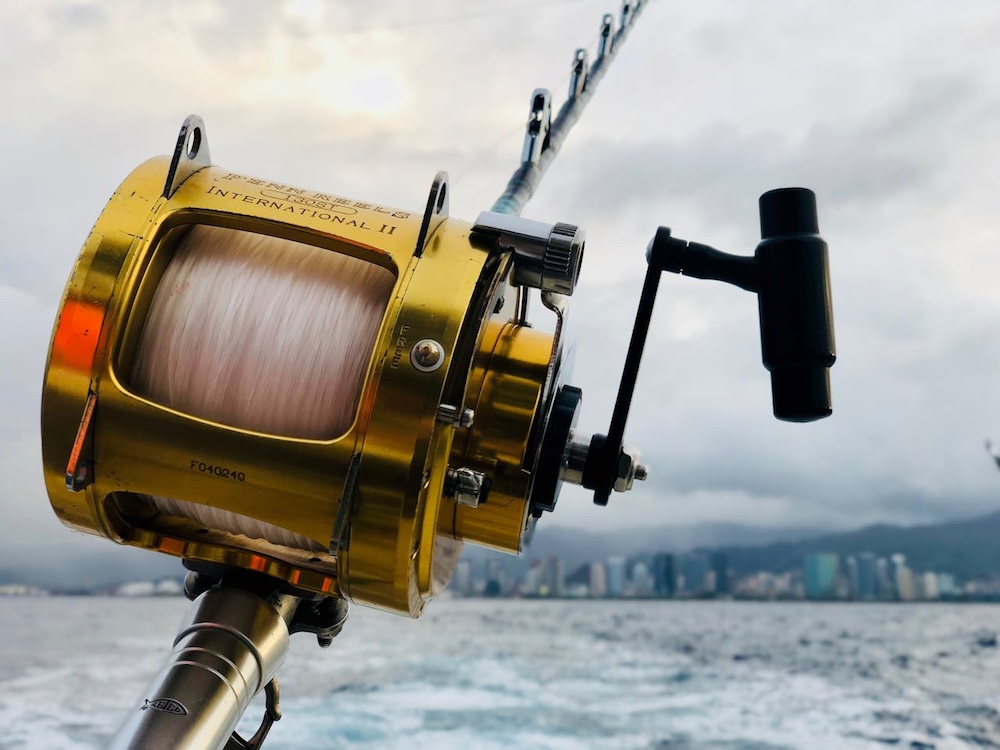
Any fishing beginner guide will begin with equipment.
You do not have to waste thousands of dollars on buying advanced rods, reels, and gadgets.
Start out with a basic rod-reel set which is inexpensive, simple to use, and can be used to fish a variety of species with. Practice how the rod, reels and lines all interact, and you will soon gain confidence.
- Learn About Local Regulations
Don’t forget to get your fishing license before you go.
Depending on the state, lake or river that you are visiting, regulations are different. As a good angler, it is important to know the legal size and catches of your target species and open seasons.
Do not take your license in a waterproof bag as you may damage it.
- Choose the Right Location
When it comes to fishing for beginners, general location is more critical in what to catch than the equipment.
It may be best to start at some local pond, small lake, or shore object where fish can be easily caught. Stay clear of fast-flowing streams or other areas that are isolated until after you have perfected the skills.
Fishing clubs or bait shops locally, or even apps, may help to find spots that permit fishing.
- Pack the Fishing Essentials
Preparing for a fishing trip adventure should include what to pack for a fishing trip full of enjoyment. You must have these fishing essentials:
- Fishing tackle box with fishing hooks, boats, bobbers, fishing artificial lures
- Live bait is worms or minnows
- Polarized sunglasses and sun protection of the eyes to see fish
- Warm clothes and a light jacket in case of the change of weather
- First aid material with painkillers and bandages
- Sunscreen, hat and bug spray
These should be organized to enable you to concentrate on fishing and not on collection of supplies.
- Select Beginner-Friendly Lures
In case you want to learn how to catch fish in water, it is important to select between the right lures. Artificial lures are an excellent practice option in terms of casting and retrieval, though as with lures, the look works best.
If you plan on fishing trout, this guide will also help you pick the best trout lures.
With panfish or bass, it is easy and very productive to use soft plastics and spinners.
- Practice Casting Before You Go
Casting is a very crucial technique in a beginner fishing guide.
In the backyard, or at a park, use a rubber practice plug in the place of a hook.
Never mind power, think of smooth motions.
A limited cast is better than a long cast, an exercise done beforehand will help minimize the frustration of being in the water.
- Dress for Comfort and Safety
People do not have to add comfort when fishing for beginners.
Wear layers of clothing to be able to adjust to the temperature.
Wear slip-resistant shoes in case you choose to fish off a dock or the shore and never forget to carry rain gear.
Do not leave behind a hat and sunscreen. Wearing proper clothes not only makes the day enjoyable but it keeps you safe as well.
- Bring Safety and Utility Items
Fishing is more than gear; it’s also about being prepared.
Always take a multitool with you in case you need to fix something and put in a first aid kit just in case of a minor injury and a waterproof bag against valuables.
Avoid eating or drinking empty calories and include snacks and water to keep in touch with your hydration during the day. All these seem like insignificant factors, but they are crucial when it comes to planning a first adventure.
- Learn to Identify Target Species
Knowledge will help to increase your chance of success with your target species.
Explore what types of fish are in your region, what Fish Keeper bait they like best and when they bite. Such applications as the Fishbox are excellent to monitor the feeding times, document catch and receive a smart piece of advice.
Becoming familiar with the regular movements of your nearby fish can aid you to plan efficiently and enhance your possibilities of a good catch.
- Respect Catch and Release
One thing that is essential in learning how to get into fishing is knowing about conservation. When you do not keep your fish to eat, then put it back.
Put wet hands on it, spend as little time outside of the water as possible, and trim the line in case the hook is overly deep.
This will ensure that the fish survives and promotes sustainable fishing to later generations of anglers.
- Prepare for Changing Conditions
The weather changes frequently, thus it is important to be flexible.
Bring rain gear, a jacket and plan B if things get dicey.
A covered area or a lodge close by is handy against weather protection. Do not fish in risky storms and high winds.
Safety is always a consideration that you must consider making your initial experience great and not stressful.
- Set Realistic Expectations
The most important tip able to be provided in this beginner’s fishing guide is about expectations. The fact is that with the first trip you may not catch a trophy fish, and that is alright.
Be on the joy of being outside, learning skills and making do with a small accomplishment, such as a successful cast or excited panfish.
Fishing is not a short-term skill, and part of the prize is to be patient.
Conclusion
This beginner's guide to fishing teaches the reader that luck and a lot of gear cannot make the difference between a successful and unsuccessful fishing trip, it all depends on preparation and safety and patience.
By consulting these fishing tips for beginners, bringing along the right fishing gear, and doing your research beforehand, you will get the most out of your first trip.
The proper attitude will allow you to not only get to know how to catch fish but to have fun with the experience.