

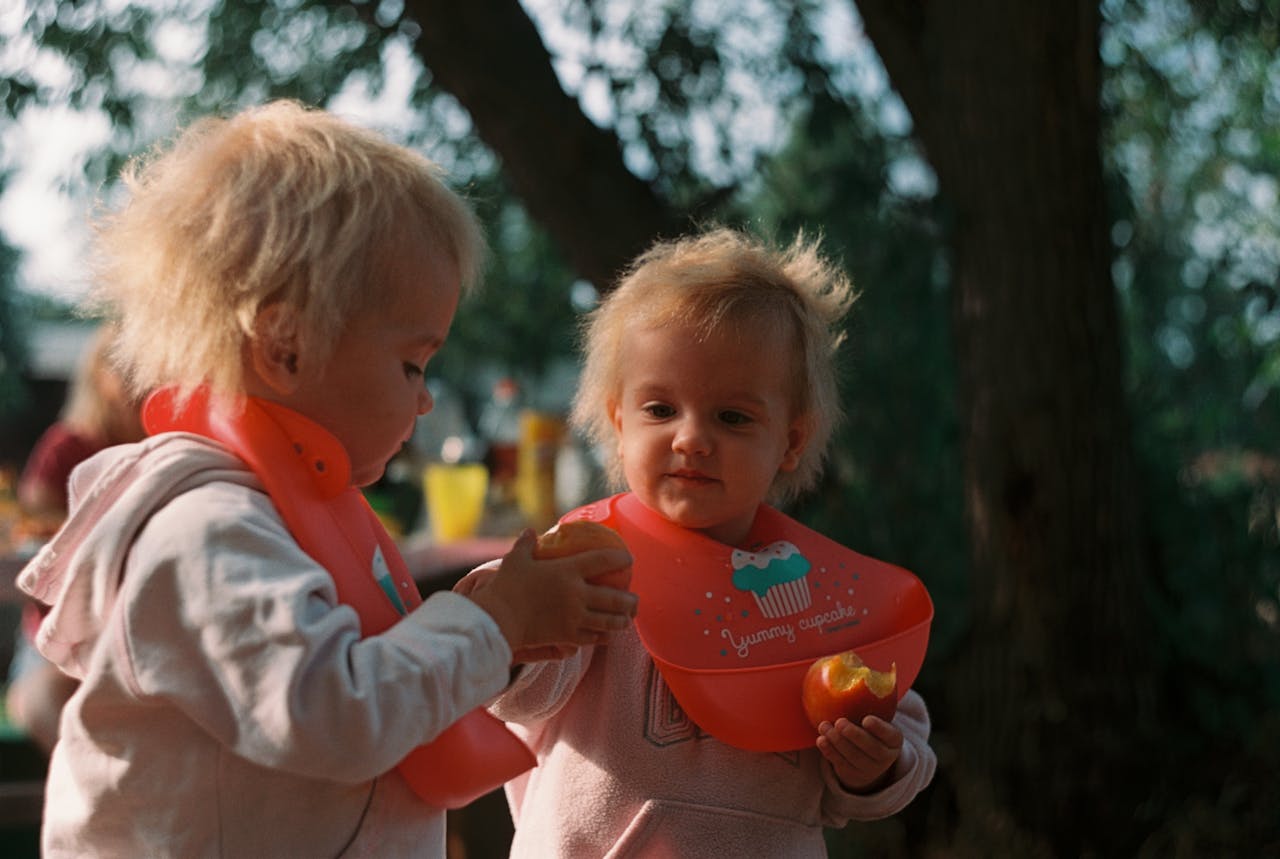
Mealtime with a baby is rarely clean—but the right bib can make a world of difference. Whether it’s catching drool, absorbing spills, or preventing a complete outfit change, a good baby bib is one of those essentials that makes parenting easier.
But not all bibs are created equal. With so many options out there, how do you know which one is the best bib for your baby? From drool bibs to full-coverage mealtime protectors, this guide breaks down everything you need to know to choose the perfect bib—especially if you’re looking for organic baby bibs that are safe, stylish, and sustainable.
Why Your Choice of Bib Matters
Bibs do more than protect clothing—they protect your baby’s sensitive skin. Babies drool. A lot. And when drool and wet food sit against their chin and chest all day, it can cause irritation or rashes.
That’s why bib material, fit, and quality really matter. The best baby bibs absorb moisture, wash easily, and feel gentle against delicate skin—all while looking adorable. For parents who care about health and the planet, choosing bibs made from organic cotton is an especially smart (and safe) move.
Types of Baby Bibs (And What They’re Best For)
Before you can choose the best bib, it’s helpful to know the different types available and what they’re used for:
- Drool Bibs
- Feeding Bibs
- Smock Bibs / Full Coverage
- Bandana Bibs
- Purpose: Catch excess saliva from teething or sucking
- Best For: Newborns to 12 months
- Look For: Soft, absorbent materials like organic cotton and adjustable neck snaps
- Purpose: Protect clothing from purees, snacks, and messy meals
- Best For: Babies 6 months and up
- Look For: Waterproof backing or extra-large coverage for mealtime
- Purpose: Protect baby from shoulder to knee during messy meals or crafts
- Best For: Toddlers learning to self-feed
- Look For: Sleeves, easy closure, machine-washable fabrics
- Purpose: A stylish take on drool bibs—practical and cute
- Best For: Teething babies, everyday wear
- Look For: Soft fabric, breathable, fashion-forward prints
Finn + Emma’s organic baby bib falls into the stylish, everyday bib category—designed to be worn with any outfit while still catching all the dribbles and spills.
What to Look for in the Best Baby Bib
✔ Material Matters: Go Organic
When choosing the best bib for your baby, start with what it’s made of. Babies love putting everything in their mouths, and that includes their bibs. That’s why organic baby bibs made from GOTS-certified organic cotton are the healthiest and safest option.
Benefits of organic baby bibs:
- Chemical-Free: No pesticides, synthetic dyes, or harmful treatments
- Gentle on Skin: Organic cotton is soft, breathable, and hypoallergenic
- Eco-Friendly: Supports sustainable farming and ethical manufacturing
Finn + Emma’s graphic bibs are made from buttery-soft organic cotton, making them perfect for babies with sensitive skin or allergies.
✔ Fit & Closure: Safety and Comfort
Avoid bibs with scratchy Velcro that can irritate the skin or stick to clothing in the wash. Instead, choose bibs with:
- Adjustable Snap Closures: For a comfortable fit as your baby grows
- Secure but Easy to Remove: Quick to put on and take off without struggle
Finn + Emma’s bibs feature lead- and nickel-free snaps that offer both security and ease of use.
✔ Absorbency
A bib’s #1 job is to absorb moisture. Look for:
- Multiple Layers: A soft front to absorb drool and a sturdy backing to prevent it from soaking through
- Fast-Drying Cotton: Organic cotton is naturally absorbent and quick to dry, so it stays clean and dry longer
✔ Design & Style
Who says bibs can’t be fun and fashionable? Bibs are one of the few baby accessories that are visible all day long. That’s why many parents opt for graphic bibs with personality.
You’ll find playful and bold designs—from witty slogans to adorable illustrations—all printed with eco-friendly inks on 100% organic cotton. These bibs double as a fashion accessory and a functional essential.
How Many Bibs Do You Really Need?
Babies go through multiple bibs a day—especially during teething or early eating stages. A good rule of thumb:
- Newborns (0–3 months): 3–5 bibs (mostly for drool)
- Teething Babies (3–12 months): 7–10 bibs (you’ll be rotating them daily)
- Eating Stage (6–24 months): 5–7 mealtime bibs and a few drool bibs
Pro tip: Keep a clean bib in your diaper bag, car, and nursery at all times.
Washing and Care Tips
The best bib is one you’ll actually want to wash—and can wash—again and again. Look for bibs that are:
- Machine-Washable: All Finn + Emma bibs are machine-wash safe
- Fade-Resistant: Organic inks and strong cotton stay looking fresh longer
- Durable: No pilling, fraying, or stretching over time
Make sure to follow the care label instructions to keep your bibs soft and stain-free.
Our top Choice: Why Finn + Emma Bibs Are a Parent Favorite
- Made from 100% organic cotton
- Stylish prints made with non-toxic, eco-friendly dyes
- Snap closures that are lead- and nickel-free
- Sustainably and ethically produced
- Designed to mix, match, and elevate any outfit
Plus, they make a perfect baby shower gift or registry item—because every parent needs more bibs!
Final Takeaways: Finding the Right Bib
Choosing the best baby bib doesn’t have to be overwhelming. When you prioritize comfort, safety, and sustainability, you’ll naturally land on the right choice.
Key tips to remember:
- Choose organic baby bibs made with chemical-free materials.
- Opt for snap closures over Velcro for safety and longevity.
- Pick styles that are both functional and fashionable, like Finn + Emma’s graphic bibs.
- Stock up—because one bib is never enough!
Your little one deserves the best—so give them comfort, safety, and style with bibs that do more.