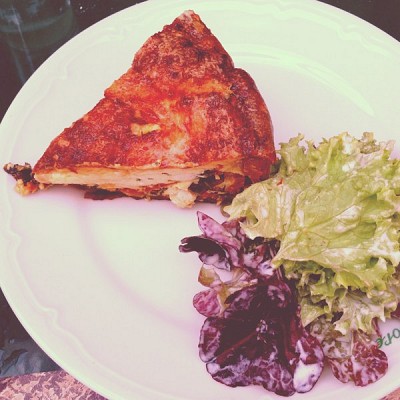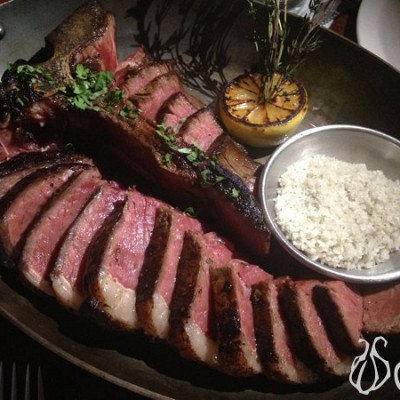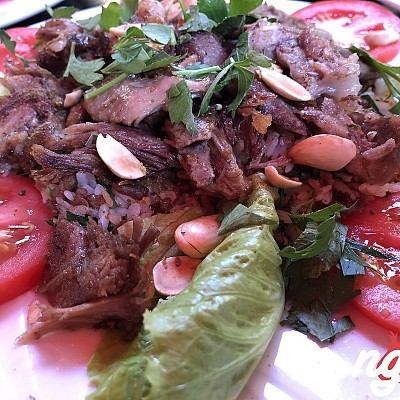


















Flavors, techniques, and ingredients from around the world have transformed the local food scene. Italian pastas, Latino spices, Asian sauces, and Caribbean seasonings now appear in restaurants and home kitchens, creating innovative dishes. With this in mind, immigrant communities are shaping modern New Jersey cuisine, introducing both tradition and creativity to menus across the state. Their influence continues to inspire chefs and home cooks, making the culinary landscape more diverse and exciting.
The Rise of Latino Flavors
Latino communities have introduced a range of flavors that now define local cuisine. Puerto Rican, Dominican, and Mexican influences appear in restaurants, food trucks, and home kitchens. Dishes like tacos, empanadas, and mofongo offer bold spices and textures, often combined with local ingredients such as Jersey tomatoes or fresh seafood.
For this reason, chefs experiment with fusion recipes, merging traditional Latino techniques with American preferences. Festivals and markets highlight these foods, drawing attention to cultural heritage. Latino bakeries and casual eateries thrive across the state. Similarly, cooking classes and pop-ups teach traditional recipes while encouraging innovation. The rising popularity of these dishes shows how immigrant communities continuously shape taste trends.
Asian Communities and Their Impact on the Culinary Landscape
Asian communities have reshaped the food scene with bold flavors and unique preparations. Chinese dumplings, Korean barbecue, Indian curries, and Vietnamese pho appear in neighborhoods statewide. Chefs experiment with these recipes, combining fresh local produce with traditional spices to create distinctive menus. Restaurants offer both authentic dishes and creative twists, such as sushi burritos or curry tacos. Food festivals celebrate these cultures, introducing wider audiences to regional specialties.
In like manner, home cooks embrace Asian techniques, expanding the reach of these cuisines. Local markets now carry imported sauces, herbs, and noodles, enabling authenticity. The impact of Asian communities reflects the state’s openness to culinary experimentation.
Italian Immigrants: Preserving Tradition While Embracing Innovation
Italian-American influence remains strong across New Jersey, shaping classic dishes and modern creations. Pizzerias, trattorias, and family-owned bakeries offer traditional pastas, subs, and cannoli alongside inventive recipes. In addition, chefs incorporate seasonal local ingredients into dishes while keeping Italian roots intact. Restaurants highlight house-made sauces, fresh cheeses, and imported olive oils, maintaining authenticity. Community events and Sunday dinners reinforce culinary traditions.
Italian flavors evolve, appearing in fusion menus or paired with contemporary cooking methods. Signature dishes like spaghetti alle vongole or margherita pizza gain modern interpretations. Italian culinary influence continues to expand beyond traditional neighborhoods.
Affordable Living and Its Impact on Culinary Communities
Affordable towns and neighborhoods often shape where immigrant communities choose to settle and grow their businesses. In New Jersey, areas with lower housing and rental costs give small restaurants, family-owned markets, and food trucks the chance to thrive. Families and chefs looking for affordable places to live in New Jersey can find promising options in towns like Glen Gardner, Clinton, or Phillipsburg, where overhead expenses are more manageable. For many newcomers, moving here on a budget not only makes daily life easier but also opens the door to launching food-related ventures.
These communities frequently evolve into vibrant dining spots, attracting both locals and visitors with authentic flavors. Farmers’ markets and local co-ops across New Jersey further support this growth by providing fresh, seasonal ingredients that inspire creative menus. As a result, affordability continues to fuel innovation and helps immigrant communities shape the diverse and modern culinary scene that New Jersey is known for today.
Caribbean Influence: The Taste of the Islands
Caribbean communities have infused New Jersey cuisine with bold spices, tropical fruits, and savory dishes. Jerk chicken, curried goat, roti, and plantains now appear in both casual eateries and gourmet menus. On the other hand, chefs combine Caribbean flavors with local ingredients, like corn or seasonal vegetables, creating inventive dishes. Food festivals celebrate these cultures, introducing residents to authentic island cooking.
With this in mind, bakeries and cafes offer Caribbean pastries and sweets that complement savory meals. Home cooks adapt traditional recipes while experimenting with modern methods. Caribbean culinary influence adds depth and diversity to modern New Jersey cuisine, enriching the state’s flavor profile while honoring cultural traditions.
Immigrant Communities Are Shaping Modern New Jersey Cuisine in Notable Restaurants
New Jersey hosts restaurants that showcase immigrant-driven culinary innovation. From Italian trattorias to Vietnamese pho houses, these establishments highlight authentic techniques paired with local ingredients. Above all, chefs focus on creativity and quality, transforming traditional recipes into modern experiences. Food markets, pop-up events, and family-run spots play a large role in spreading these dishes. Tasting menus and fusion concepts attract curious diners, exposing them to international flavors.
Specialty ingredients from local farms and imported goods elevate dishes. These restaurants act as cultural hubs, reflecting the influence of immigrant communities on modern New Jersey cuisine. They inspire both home cooks and professional chefs to experiment while respecting traditional roots.
The Future of New Jersey’s Culinary Scene: Immigrant Communities as Innovators
Immigrant communities continue to push New Jersey cuisine forward. Chefs experiment with traditional recipes, creating fusion dishes that reflect evolving tastes. Then again, food festivals and cultural events showcase emerging trends. Restaurants highlight sustainable ingredients, ethnic spices, and international techniques, inspiring other chefs. Home cooks adopt these practices, bringing global flavors into local kitchens.
Culinary education and mentorship programs spread knowledge across generations, strengthening community connections. Immigrant contributions influence menus, ingredients, and cooking styles, shaping the state’s dining identity. In contrast, areas without strong cultural representation see slower culinary evolution. Overall, innovation and preservation coexist, making immigrant communities central to the growth of modern New Jersey cuisine.
Immigrant Communities Driving Modern New Jersey Cuisine
Immigrant communities are shaping modern New Jersey cuisine by introducing diverse flavors, techniques, and ingredients. From Latino spices to Asian sauces, Italian traditions, and Caribbean zest, these influences create dynamic culinary experiences. In short, their creativity and adaptability drive innovation in restaurants, markets, and home kitchens. The result is a rich, evolving food culture that reflects the state’s diversity, making it a destination for unique and flavorful dining experiences.