

















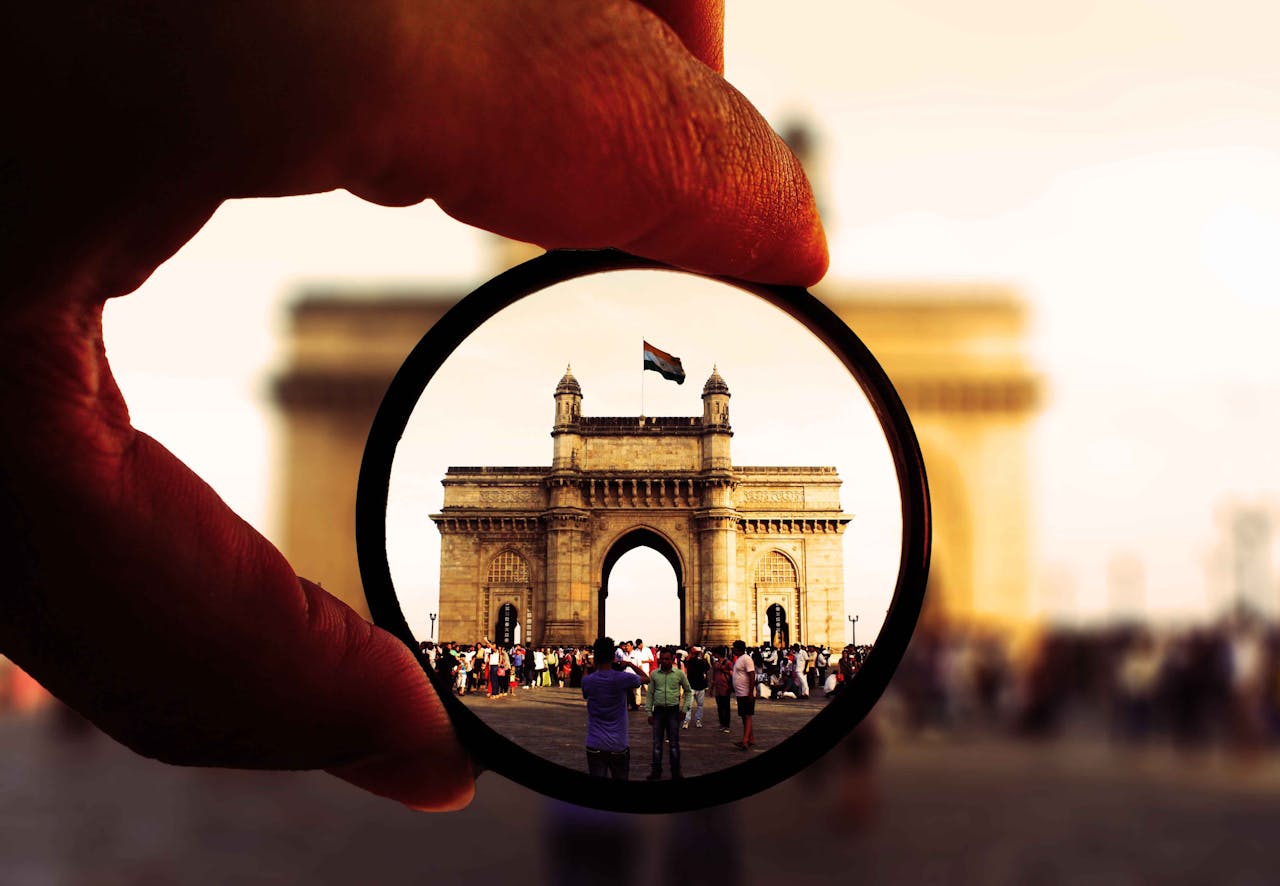
Mumbai is not just India’s financial capital; it is a vibrant mosaic of cultures, communities, and built environments. One of the most striking aspects of the city is its architectural diversity — a reflection of its layered history and relentless modern transformation. Walking through Mumbai is like walking through time: colonial facades give way to contemporary towers, traditional chawls stand beside futuristic smart homes, and ancient temples coexist with steel-and-glass business hubs.
In this article, we explore how the architecture of Mumbai is a living narrative — shaped by past empires, evolving lifestyles, and the pressures of modern urbanization.
Colonial Footprints: Mumbai's Historic Identity
The architectural journey of Mumbai began with its colonial rulers — primarily the Portuguese and the British. These foreign influences left behind more than just governance systems; they built some of the city's most treasured landmarks.
- Town Hall (Asiatic Society Library): A classic example of Greek and Roman neoclassical architecture.
- Rajabai Clock Tower: A beautiful Gothic Revival structure, reminiscent of Big Ben.
- St. Thomas Cathedral: One of Mumbai’s oldest churches, completed in 1718.
These monuments aren’t just historic—they still serve civic and cultural functions today.
Traditional Living: The Chawls and Bazaars
Before luxury apartments and gated communities dominated the skyline, Mumbai’s workforce resided in chawls — multi-family housing complexes designed to accommodate large numbers of people in limited spaces. Though modest in size and lacking modern amenities, chawls fostered community living and cultural richness.
Markets like Crawford Market and Zaveri Bazaar, with their colonial arches and Indian flourishes, showcase how commerce and culture have always been intertwined in Mumbai's fabric.
Art Deco and the Spirit of the 20th Century
In the 1930s and '40s, Mumbai embraced a sleek and modern aesthetic — Art Deco. The movement marked a shift in social consciousness, bringing a sense of glamour, sophistication, and global flair to the city.
Buildings like:
- Liberty Cinema
- Bombay Mutual Building
- Oval Maidan residences
...reflect a time when Mumbai aspired to be cosmopolitan yet uniquely Indian. These structures, now protected as part of the city’s UNESCO-recognized Art Deco ensemble, remain a testament to modern design ideals.
The Vertical Revolution: Skyward Aspirations
Modern Mumbai is pushing the boundaries of urban architecture. The scarcity of land has made vertical construction the norm. Skyscrapers dominate the skyline, and luxury towers provide panoramic views of the Arabian Sea.
Districts like Parel, Bandra-Kurla Complex (BKC), and Powai have transformed into bustling zones of contemporary architecture, featuring:
- Glass curtain walls
- Eco-conscious façades
- Smart security systems
This phase of development is the most visual representation of how big mumbai has become, not just in scale but in architectural ambition.
Sustainable Architecture: The Green Awakening
As the environmental stakes grow higher, Mumbai’s architects are adapting. There’s a growing shift toward eco-friendly and sustainable architecture. Many new buildings are now LEED-certified, equipped with rainwater harvesting, solar panels, and natural ventilation systems.
Examples include:
- Palava City by Lodha: A smart city with green spaces and energy-efficient planning.
- Kanjurmarg Business Districts: Featuring buildings with minimal carbon footprint.
The city is slowly evolving into a model of sustainable urbanism, blending progress with responsibility.
Mumbai’s Temples, Mosques, and Churches: Sacred Spaces in Stone
Mumbai’s architecture is also deeply spiritual. Some of the most revered religious sites in the city double as architectural marvels:
- Siddhivinayak Temple: A modern Hindu temple with traditional design.
- Haji Ali Dargah: Built in Indo-Islamic style on an islet off the coast.
- Mount Mary Church: A stunning Roman Catholic basilica overlooking the sea.
These places aren’t just for worship; they are woven into the emotional and architectural identity of Mumbai.
Conclusion
Mumbai’s architecture is a celebration of contrasts — old and new, East and West, minimal and ornate. It represents the city’s resilience, adaptability, and constant desire to reinvent itself.
From humble chawls to grand colonial monuments, and from serene temples to towering skyscrapers, every corner of big mumbai tells a unique story. As the city continues to grow and face new challenges, its architecture will remain both a mirror and a blueprint of its evolution.