














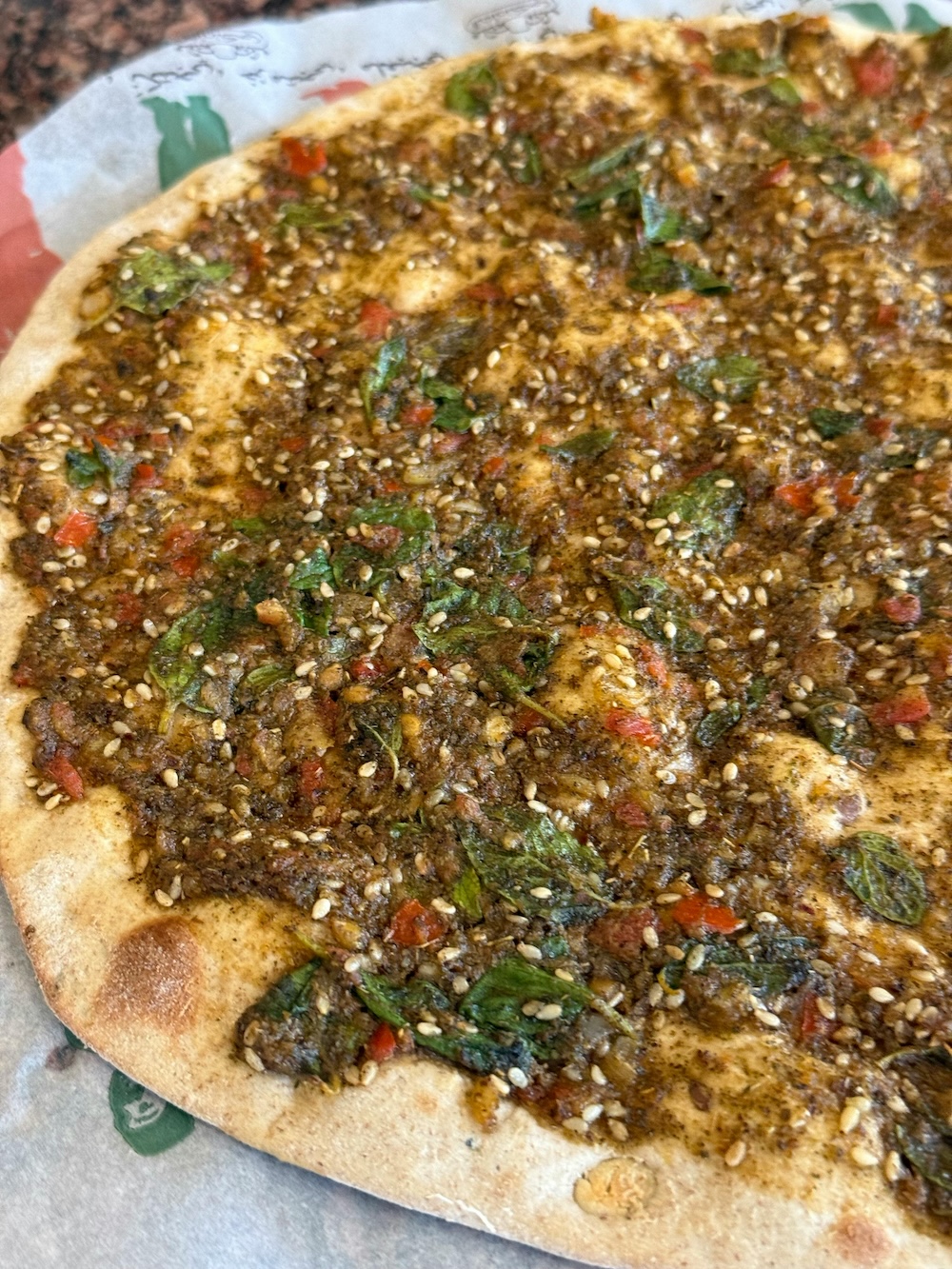
We often talk about the soul of a dish—the crunch of a fresh mankoushe, the creaminess of a perfect hummus, or the vibrant sting of a citrus-heavy salad. Eating is the ultimate sensory experience. It engages our sight, our smell, and most importantly, our sense of touch within the mouth. But what happens when that sensory experience is interrupted? For many, the simple act of enjoying a meal is hampered by "sensory traffic jams" that make certain textures feel overwhelming or even threatening.
When we look at the hospitality world, we see chefs striving to create the perfect "mouthfeel." But for children with oral sensory sensitivities, that mouthfeel can be the difference between a joyful family dinner and a stressful battle. This is where the intersection of therapy and culinary joy meets. Tools like the ark z vibe are helping a new generation of food lovers "unlock" their palates by providing the sensory organization needed to explore the world’s most wonderful flavors.
The "Hidden" Sense: Oral Proprioception
We often focus on the five basic senses, but there is a "sixth sense" that defines our relationship with food: proprioception. This is the sense that tells your brain where your tongue is positioned and how hard your jaw is biting down. When a child has low oral awareness, the mouth feels "blurry." They may overstuff their cheeks because they can't feel the food, or they may refuse anything with a complex texture because their brain can't "map" the bite.
To rediscover the joy of eating, we have to sharpen that map. By using the ark z vibe, we provide a consistent, high-frequency vibration that "highlights" the oral cavity. It’s like turning on the lights in a dark room. Once the brain can "see" the mouth clearly, the fear of new textures begins to fade, and the curiosity for new flavors can finally take center stage.
From "Picky Eating" to Culinary Curiosity
On NGNO, we celebrate the "Food Heroes"—the artisans and farmers who create authentic tastes. But for a child with oral hypersensitivity, an "authentic" texture can be terrifying. A slightly lumpy puree or a fibrous vegetable can trigger a defensive gag reflex. This isn't about being "difficult"; it’s a neurological response.
The secret to moving past this is desensitization. Vibration acts as a "reset button" for the nervous system. The steady rhythm of the tool helps calm overactive nerves, making the mouth more receptive to touch. As the oral cavity becomes less "defensive," the child can transition from a beige diet of plain pasta to the vibrant, diverse world of Lebanese mouneh and fresh produce.
The Bio-Mechanics of a Perfect Chew
Think of the best meal you’ve ever had. Part of that experience was the mechanical satisfaction of the chew. Effective chewing requires jaw stability and tongue lateralization (the ability to move food from side to side). Without these skills, a child cannot safely navigate the textures we love, like a crusty baguette or a seared piece of meat.
Therapeutic tools allow us to practice these "bio-mechanics" in a playful way. By using the ark z vibe with various attachments—like the Bite-n-Chew tips—we can help children build the jaw strength and coordination needed for a lifetime of safe and adventurous eating. It’s about building the physical foundation so that the culinary exploration can happen without limits.
A Modular Approach to Flavor Discovery
One of the most impressive aspects of modern sensory tools is their versatility. Much like a chef has different knives for different tasks, this system offers over 35 interchangeable tips to meet a child exactly where they are.
- Textured Spoons: These allow you to introduce vibration during the meal, helping a child tolerate "bumpy" foods while they eat.
- Animal-Themed Tips: These turn oral motor work into a game, encouraging children to bite and chew on various "ears" and "snouts" to build stability.
- Probes and Fine Tips: These are used to pinpoint the exact spots in the mouth that need to "wake up" before a meal.
Bringing the Joy Back to the Family Table
At NoGarlicNoOnions, we believe that food unites. "Le2metna Btejma3na"—our bite brings us together. But that unity is hard to achieve when mealtimes are a source of anxiety. By integrating sensory support into the daily routine, we can lower the stakes and bring the focus back to the joy of the meal.
Success Strategies for Parents:
- The "Prime" Method: Use the tool for two minutes before a meal to "wake up" the mouth.
- Short and Sweet: Don’t make it a chore. Keep sessions frequent but very brief (2–3 minutes).
- Make it Playful: Use the tool to make "silly faces" or to "explore" the different textures of the tips.
Conclusion: Everyone Deserves to Taste the World
Whether you are a professional chef, a dedicated "food hero," or a parent just trying to get through a Tuesday night dinner, we all share one goal: to experience the happiness that comes from a good meal. Oral motor development is the quiet engine that makes that happiness possible.
By embracing tools that support our sensory needs, we ensure that every child has the opportunity to experience the full spectrum of flavors our world has to offer. From the simplest mankoushe to the most complex gourmet creation, the joy of food belongs to everyone. Let’s make sure every bite counts.
Sensory Success
- Tactile Awareness: Vibration helps the brain "map" the mouth for better chewing.
- Desensitization: Consistent input helps overcome food aversions.
- Jaw Stability: A strong jaw is the mechanical foundation for safe eating.
- Positive Association: Sensory play makes mealtimes a journey of discovery rather than a battle.