
















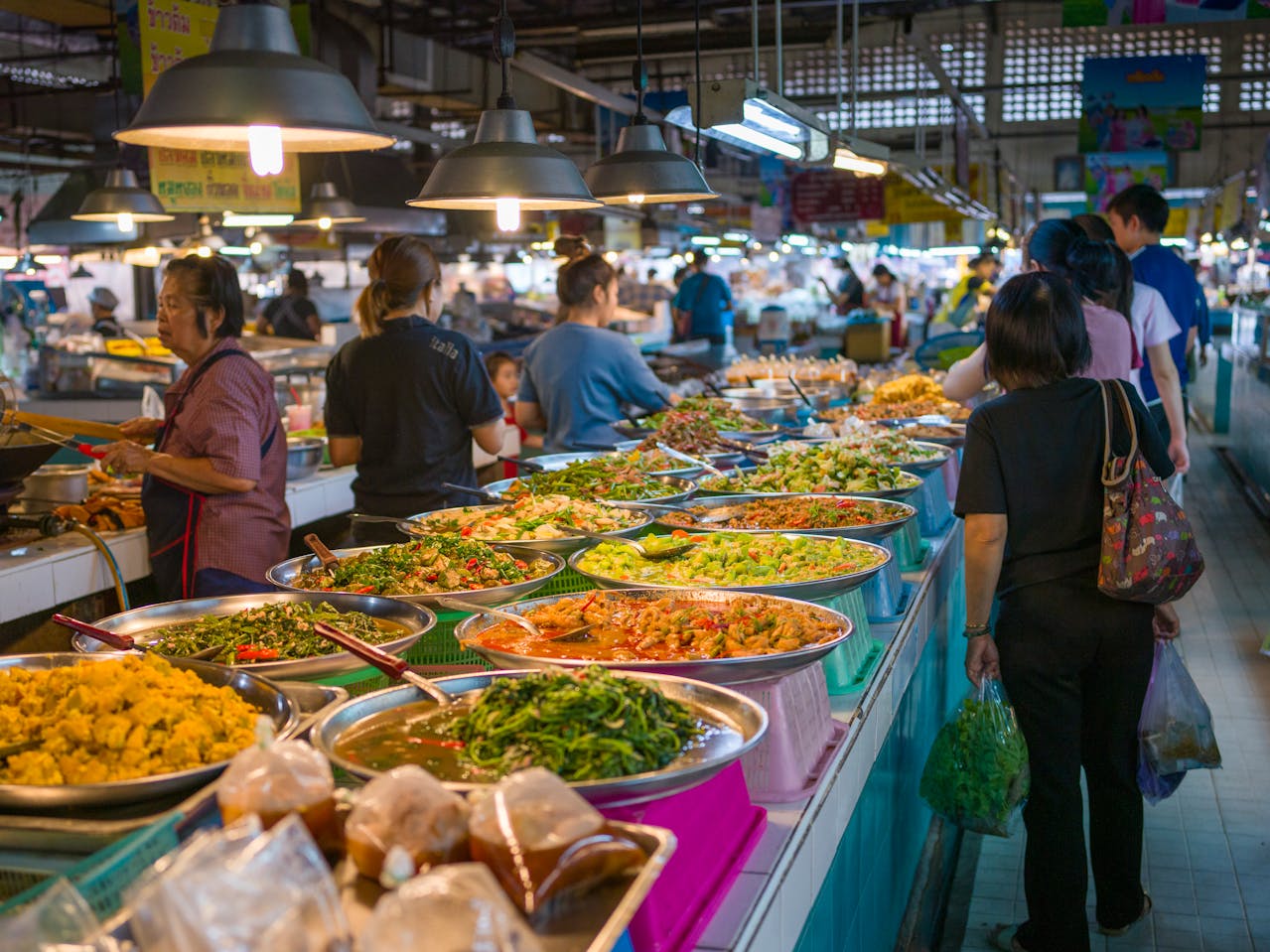
Thailand is celebrated globally as a magnificent sensory playground, especially for those who travel with their palate as their primary guide. The fragrant scent of lemongrass, the intense sizzle of street-side woks, and the vibrant tapestry of complex, spicy flavours draw millions of passionate food enthusiasts every single year. After exploring the top things to do in Bangkok, such as immersing yourself in the vibrant street food scene and navigating the labyrinth of bustling night markets, where decadent dishes like roasted duck, rich massaman curries, and sweet mango sticky rice reign supreme, your body might eventually start craving a much-needed physical and mental reset. A dedicated holiday of eating is an incredible, life-affirming experience, but it can leave you feeling surprisingly sluggish and heavy if you do not pace yourself carefully.
The Hidden Toll of Culinary Adventures
When we travel specifically for culinary discovery, our usual daily routines are happily abandoned in favour of spontaneity. We indulge in late-night tasting tours, sample an endless array of spiced delicacies, and perhaps enjoy a few too many sugary tropical cocktails by the beach. Over time, this sudden, drastic disruption to our usual diet and sleep schedule can lead to significant travel fatigue and uncomfortable bloating.
The heavy meals and constant, frenetic movement, while deeply thrilling for the mind, inevitably take a substantial toll on our delicate digestive systems and overall energy levels. To truly honour the travel experience without returning home completely exhausted, modern travellers are increasingly adopting a dual-purpose approach to their holiday itineraries. They are intentionally splitting their valuable time between energetic urban exploration and dedicated restorative practices, often choosing to conclude their journey at a luxury yoga retreat to ensure they get the absolute best of both worlds.
The Science Behind a Restorative Break
It is highly tempting to think that simply lying passively on a sun-drenched beach will magically cure travel burnout, but modern science suggests otherwise. Passive resting does not always undo the cumulative physical stress of a highly indulgent trip. While an ordinary holiday offers a wonderful temporary escape from daily responsibilities, peer-reviewed research published in PLOS ONE shows that taking a vacation centred around mindfulness and meditation significantly prolongs emotional well-being and reduces fatigue long after you return home.
The comprehensive study noted that ten weeks after their stay, individuals who participated in a mindfulness-focused getaway experienced significantly lower levels of exhaustion compared to those who merely went on a standard leisure trip. This compelling data proves that active recovery is far more effective than merely doing nothing by the pool. By engaging in structured wellness practices, you actively help your body process the physical stress of transit, the lack of sleep, and the heavy, rich foods you have been happily savouring throughout your journey.
Transitioning to a Holistic Escape
After a busy, exhilarating week of navigating crowded night markets and exploring rich tasting menus, moving to a peaceful, health-focused environment becomes absolutely essential for your long-term vitality. These serene environments, often located along Thailand's breathtaking coastlines with sweeping ocean views, are specifically designed to strip away the overwhelming urban noise and help you tune back into your body's fundamental needs.
Rather than entirely depriving yourself or embarking on a punishing crash diet, a well-rounded reset focuses on finding a sustainable, gentle balance. When you shift from a high-energy foodie adventure to a quiet, restorative getaway, you can expect several key elements to significantly aid your recovery:
- Mindful Movement: Gentle stretching and expertly guided postures help stimulate sluggish digestion and release the deep physical tension accumulated from long-haul flights and carrying heavy luggage.
- Nutritional Recalibration: Expertly crafted, nourishing meals focus on fresh, anti-inflammatory ingredients, allowing your overworked gut to heal naturally without ever sacrificing beautiful flavour or culinary satisfaction.
- Holistic Spa Therapies: Traditional Thai massages and specialised hydrotherapy treatments work deeply to flush out lingering toxins, soothe inflammation, and relax deeply fatigued muscles.
- Mental Stillness: Guided meditation and deep-breathing sessions help to quickly clear the mental fog associated with travel, ensuring you return to your daily life with a sharp, highly focused mind.
Returning Home Truly Refreshed
The true beauty of a Thai holiday lies in its incredible versatility and welcoming hospitality. You absolutely do not have to choose between being a passionate food lover and maintaining your personal health and wellness. By wholeheartedly embracing the vibrant, energetic culinary scene first and then intentionally retreating to a safe space of quiet restoration, you create a perfectly balanced itinerary that deeply nourishes both the stomach and the soul.
Next time you plan a journey to Southeast Asia, consider factoring in a few days of structured wellness at the very end of your trip. Your adventurous taste buds will certainly thank you for the initial culinary exploration, and your revitalised body will undoubtedly thank you for the intentional, mindful recovery.